Can Lettuce Fight Cancer? Sharing Several Lettuce Recipes
Can lettuce fight cancer? What is the relationship between lettuce and cancer? Let's take a look together. Do you know how to cook lettuce? What are some ways to eat lettuce? Let's take a look together too.
The ancient "thousand-gold vegetable," whose scientific name is lettuce (Lettuce), contains a milky white sap in its leaves, so it is also called "milkweed" in Europe and India. It was introduced to China during the Sui Dynasty, and it was so expensive that only scholars and officials could afford to eat it at the time, hence the name "thousand-gold vegetable." Its peak season runs from October to February of the following year. During cultivation, lettuce is not prone to insect pests, and the amount of pesticides and fertilizers used is relatively low, making it suitable for all ages, especially for patients with diabetes and cardiovascular disease. Traditional Chinese medicine holds that lettuce has the effects of clearing heat, promoting body fluid production, and inducing diuresis and bowel movements.
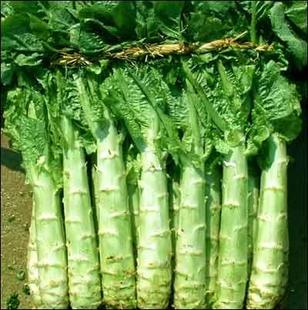
Nutritional Components of Lettuce
According to the food nutrition composition data for the Taiwan region of the Department of Health, Executive Yuan: in 100 grams of lettuce, there is 95% water, 11 calories, 0.6 grams of fat, 0.6 grams of carbohydrates, 0.8 grams of fiber, 3300 I.U. (international units) of vitamin A, 0.08 mg of vitamin B1, 0.11 mg of vitamin B2, 0.01 mg of vitamin B6, 15 mg of vitamin C, and minerals including 12 mg of sodium, 220 mg of potassium, 34 mg of calcium, 30 mg of phosphorus, 1.2 mg of iron, 21 mg of magnesium, and 0.3 mg of zinc. It also contains vitamin E, niacin, β-carotene, lactucin, lactic acid, malic acid, digestive enzymes, and trace amounts of salt and vitamin K (one of the clotting factors)
The Relationship Between Lettuce and Cancer
Lettuce is rich in carotene, which can be converted into vitamin A in the human body. It is an antioxidant in the body, capable of maintaining the normal structure of epithelial cells, resisting the invasion of carcinogens, delaying the metastasis of cancer cells, and turning mutating cells back to benign. Research has found that lettuce contains aromatic hydrocarbon hydroxylase, which can break down nitrosamines in food and prevent the formation of cancer cells. In addition, the enzymes, magnesium, vitamin B1, B2, B6, and C it contains can alleviate the side effects of chemotherapy and radiotherapy in patients, and can also improve dry mouth, enhance sleep quality, and relieve peripheral neuropathy. Japanese people are particularly fond of this vegetable and list it as one of the anti-cancer vegetables.
Ways to Eat Lettuce
Vegetable juice: Blend an appropriate amount of lettuce, fresh cucumber, red tomato, etc. into juice and drink it to maintain health and prevent cancer.
It can be paired with appropriate amounts of pork skin, goose blood, pig blood, tofu, black fungus, Chinese yam, carrot, mung bean sprouts, shiitake mushrooms, etc., which not only stimulates the appetite and increases food intake but also prevents and fights cancer.
During radiotherapy and chemotherapy, cancer patients can wash and peel the stems of fresh lettuce, eat them raw or blanch them in hot water before eating, both of which can improve the problem of dry mouth.
Raw eating: Toss with sesame oil or garlic soy sauce, use as a garnish, in vegetable salads, sandwiches, etc.
Stir-fried Lettuce with Sliced Meat: First stir-fry the sliced meat until cooked, then add the washed lettuce. It tastes fresh, crisp, and delicious.
Selecting, Storing, and Washing Lettuce
When purchasing, choose ones with fresh, bright, oily-green stems and leaves, not withered or scorched, not bolting, and with no spots, rot, or water damage on the leaves. Fresh lettuce can be kept in a cool, ventilated place for 2-3 days, and refrigerated for about one week. Lettuce is usually less prone to insect pests and requires less pesticide, so rinsing with clean water, swishing it, or chopping it before washing is sufficient.