Is Green Tea's Anti-Cancer Effect Real? Interpreting the Latest Research Findings
New Findings on Green Tea's Anti-Cancer Mechanism, Did You Know? Do you drink tea? Do you know whether green tea can really fight cancer? Let's find out together.
Professor Thomas A. Gasiewicz and colleagues at the University of Rochester Medical Center found that green tea can fight cancer by affecting cancer-related proteins. These proteins are also targets for new drug development. Green tea was previously thought to help humans fight cancers such as breast cancer and liver cancer, but the relevant mechanism had not yet been identified. This result provides the relevant scientific proof.
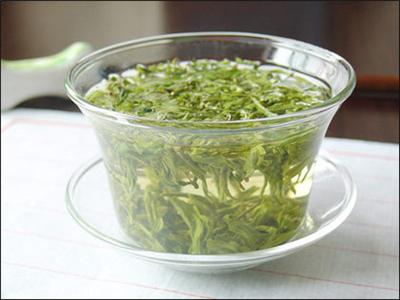
Professor Gasiewicz and Christine Palermo and colleagues found that the chaperone protein HSP90 is related to the protective effects of green tea. Other studies have found that many cancer cells grow rapidly at the HSP90 concentrations found in healthy cells; and that inhibiting HSP90 reduces the levels of proteins that help cancer cells grow.
Many drugs currently in development, just like the action of green tea, also target the inhibition of HSP90. Gasiewicz believes that through green tea, we should be able to discover new ways to regulate HSP-90.
Gasiewicz is an expert on dioxin research. His team has discovered how dioxin affects the AH (aryl hydrocarbon) receptor; it is related to turning on harmful genes and is one of the causes of cancer. Two years ago they discovered that AH activity is inhibited by EGCG (epigallocatechingallate) contained in green tea. EGCG is similar to the flavonoids found in cabbage and grapes, and helps prevent cancer.
Gasiewicz said: "It was originally expected that EGCG acts by binding directly to the AH receptor, but that is not the case." EGCG first binds to HSP90, which helps stabilize other proteins; HSP90 then cannot turn on the AH receptor, thereby blocking the activation process of many harmful genes.
Green tea can fight cancer, so can we drink green tea often? Actually, no, we should eat everything in moderation, and the same goes for drinking tea.