Which flowers can be eaten? A detailed explanation of the food safety of flower and herb agricultural products
Do you know which flowers can be eaten? Would you like to find out? Let's take a look together. There are some flowers you may fall in love with the taste of once you've tried them.
Whenever the flowers are in full bloom, the flower-viewing crowds always pack the place, and besides watching the flowers compete in beauty, have you ever thought that "flowers" can also be eaten? Flower and herb agricultural products can use their roots, stems, leaves, flowers or fruits to make dishes, drinks, food additives or health foods, and with the progress of agricultural product processing technology, more and more edible flowers and herbs are constantly being developed.
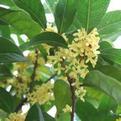
At present, the edible flower and herb agricultural products grown domestically mainly include honeysuckle, houttuynia and Egyptian wild hemp from Keelung City; osmanthus from New Taipei City; lotus from Taoyuan County; hsian-tsao from Hsinchu County; Hangzhou chrysanthemum and perilla from Miaoli County; roses and jewel orchid from Nantou County; roses and lotus from Tainan City; Hangzhou chrysanthemum, roselle and daylily from Taitung County; lotus, hsian-tsao and jewel orchid from Hualien County; and fengrucao (a medicinal plant, known as Penghu herbal tea) from Penghu County, and so on.
In the early days, because laws and regulations were incomplete, the distinction between edible and ornamental flower and herb agricultural products was not clear, and management measures were hard to implement, causing imported or domestic edible flower and herb agricultural products on the market to often be found with excessive pesticide residues in tests. In view of the ever-increasing and emerging pesticide residue problems, the Department of Health in the 100th year of the Republic of China (2011) included all kinds of edible flowers and herbs in the "Standards for the Safety Allowance of Pesticide Residues" to strengthen the management basis for pesticide residues in edible flowers and herbs. According to the current standards, flower and herb crops include spice plants and other herbaceous plant categories, such as roses, chrysanthemums, lotus, chamomile, lavender, mint, lemongrass, rosemary, pepper, star anise, fennel (fruit), gynostemma, polygonatum, amomum, cao doukou, nutmeg and so on.
The Agricultural Testing Center of this association tested a total of 38 edible flower and herb agricultural products in the 100th year of the Republic of China (2011), with sample types including stevia, golden chrysanthemum, Hangzhou white chrysanthemum, Hangzhou chrysanthemum, yellow chrysanthemum, rose, roselle, wild ginger flower and lotus, 9 kinds in total. Among the test results, 20 samples had no pesticide residue at all; 1 sample had detected pesticide residue but did not exceed the safety allowance; 17 samples were unqualified, all of them dried chrysanthemum tea samples, with a total of 18 pesticide types detected, including acetamiprid, benomyl, imidacloprid, chlorpyrifos, dimethomorph, chlorothalonil, pyriproxyfen, acephate, carbaryl, endosulfan, uniconazole, bifenazate, cypermethrin, difenoconazole, fenitrothion, tebuconazole, fenpropathrin, flufenoxuron and other pesticides, and the most commonly detected pesticide types were acetamiprid (insecticide) and benomyl (fungicide). In addition, according to newspaper reports, the Health Department of the Taipei City Government sampled dried chrysanthemums in the 100th year (2011) and found that 90% of dried chrysanthemums had unqualified pesticide residue levels; also, the Consumers' Foundation of the Executive Yuan sampled herbal tea products on the market and found an unqualified rate as high as 90%. The above inspection data show that at the present stage the safety and quality of dried chrysanthemum agricultural products deserve the attention and guidance of the relevant units, and it is recommended that when consumers use dried edible flowers and herbs as tea drinks, they should choose products with brand certification, and it is safer not to drink the first brew of the tea as much as possible.
In order to improve the hygiene and safety quality of domestically produced Hangzhou chrysanthemum, since the 100th year of the Republic of China (2011) Hangzhou chrysanthemum has been included among the products promoted under the Good Agricultural Practice (GAP) label, actively guiding farmers in safe pesticide use, cultivation management and agricultural product processing and other training courses, and the relevant agricultural administration and health units have also actively strengthened inspection work at production sites and on market products. It is hoped that government units can guide farmers or agricultural product processors to establish safety and quality certification for flower and herb agricultural products, and through internal self-management and external inspection, ensure the food safety of the products themselves and also indirectly enhance product image and value.
Now you know which flowers can be eaten, will you go and crave them? Will you go and try them to see if they taste good?