How to choose orchid fertilizer? Only the right choice lets you grow orchids well
Orchid fertilizer
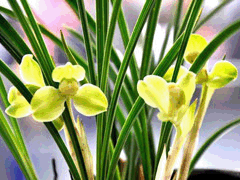 Like all plants,orchidsshould be fertilized in a comprehensive and balanced way. In order to promoteorchidgrowth, besides proper sunlight, water and ventilation, an appropriate amount of fertilizer must also be supplied, so as to encourage vigorous growth and easy flower bud formation.Orchidfertilization should preferably use a complete fertilizer. The effects of the various elements on it are as follows:
① Nitrogen can promote lush growth of stems and leaves.
② Phosphorus is one of the indispensable nutrient elements in plant growth.
③ Potassium is an important element that makes plants stand upright and carry out regular activities. It can also increase the plant's ability to resist various diseases.
④ Calcium is an indispensable element for forming cell walls and enabling cells to carry out regular activities.
⑤ Magnesium is part of the composition of chlorophyll, and it is indispensable for producing nutrients.
⑥ Sulfur is one of the protein components.
⑦ Iron is also part of the composition of chlorophyll; a lack of iron can turn young leaves yellow.
⑧ Trace elements mainly refer to manganese, copper, boron, zinc, etc. Their content in plants is extremely small; they are a kind of stimulating element and directly affect flowering and color. After a lack of these trace elements, the plant's flowering can become less beautiful and its growth can become abnormal.
The fertilizers commonly used for orchids fall into the following two major categories:
① Organic fertilizers: such as leachates of various grasses, broad bean shells, bamboo shoot shells, oil cake types, blood water, soybean milk, human milk, chicken feathers, etc., which can only be used after fermentation and decomposition. Animal manures, etc. should also be mixed with water, composted and decomposed before use. Livestock bones can also be ground into bone meal, bone charcoal, etc. and mixed into the bottom layer of the potting soil, so that the root system does not come into direct contact with the fertilizer.
② Inorganic fertilizers: chemical fertilizers supplied on the market, such as potassium nitrate, calcium phosphate, magnesium sulfate, superphosphate, ferric sulfate, etc., must be used cautiously in appropriate amounts. At present, various synthetic chemical fertilizers are already available in China, specially for orchid fertilization. (Lin Qingde, Mu Wei)