US and Canada romaine lettuce causes illness, FDA urgently issues import controls
Is there a problem with US and Canada romaine lettuce? Why are people saying to avoid eating US and Canada romaine lettuce for now? The FDA urgently issued import controls tonight, calling on the public to pay attention. Let's take a look together.
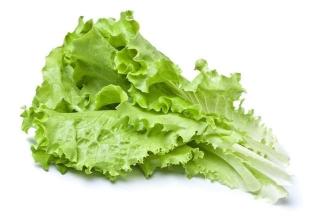
Taiwan's annual imports of romaine lettuce total 4,976 metric tons, with imports from the US accounting for 98.9%, used to make various salad dishes, such as Caesar Salad and others. Pan Chih-kuan, head of the Food Division of the FDA under the Ministry of Health and Welfare, said that infection cases are currently known to have occurred in 11 US states, but the specific distribution areas and detailed circumstances are unclear, and AIT has been asked to provide detailed information from the US side.
From November 23 to December 7, 2018 (date of export), the FDA implemented strengthened import control measures on "romaine lettuce" imported from the US and Canada. For imported goods classified under "0705.11.00.00-5 Head lettuce, fresh or chilled", "0705.19.00.00-7 Other lettuce, fresh or chilled", "0709.99.90.90-8 Other vegetables, fresh or chilled" and with product names containing "romaine" or equivalent meanings, unless accompanied by certification documents issued by US or Canadian authorities stating that the products are not contaminated with E. coli O157:H7, applications for import inspection are suspended (implementation period until December 7, 2018).
The FDA has already notified domestic importers, distributors and food service operators that they should implement self-management, confirm that the products imported, sold and supplied meet food safety and hygiene conditions, and if any risk to food safety and hygiene is found, they should, in accordance with Article 7, Paragraph 5 of the Act Governing Food Safety and Sanitation, voluntarily stop manufacturing, processing, selling and carry out recalls, and report to the competent authorities of special municipalities, counties (cities).