What are the general principles for choosing food?
So-called seasonal produce refers to ingredients that are best suited for planting and ripening in the current season. Ingredients that follow natural patterns are not only fresh, good in taste and high in nutritional value, but also have a strong ability to resist seasonal pests. Therefore, without heavy fertilizing and spraying pesticides, a relatively large yield can still be obtained and the price is cheap. So what are the general principles for choosing food?
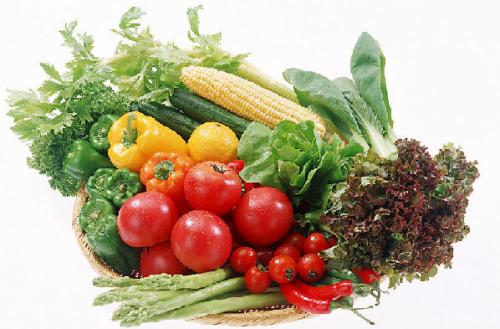
1. Do not deliberately pick fruits and vegetables that look plump and beautiful and have no insect bites.
2. The choice of fruits and vegetables should be diversified, and it is better to buy them separately from different vendors.
3. In principle, fruits and vegetables with smooth surfaces are less likely to be contaminated with pesticides, while those with fine hairs or uneven surfaces are more likely to retain pesticides, but this still depends on their pesticide application period or whether there are protective measures (such as protective covers).
4. Winter vegetables have high yields and low prices, so it is advisable to buy more of them.
5. Choose products promoted by government agencies, with credibility, and with quality labels (such as organic fruit and vegetable labels).
6. Buy seasonal fruits and vegetables as much as possible; they are not only fresh, inexpensive and of good quality, but also relatively safer.
7. Fruits that are stored long-term or imported generally must be treated with chemicals to extend their storage time, and consumers should have correct awareness when purchasing.
8. Avoid buying fruits and vegetables whose surfaces have pesticide spots or abnormal chemical odors.
9. Pesticide residues in vegetables in summer and autumn are higher than in other seasons, or before and after natural disasters and festivals, when the prices of fruits and vegetables rise, fruits and vegetables harvested early may also appear on the market, and the possibility of pesticide residues is relatively higher, so rushing to buy them should be avoided. Consumers can choose reputable frozen vegetables or other processed vegetable products instead.