How to Eat Avocado and Its Benefits: Truly Healthy or Just Marketing?
Introduction: The avocado's big sales in China are not simply because it scores high on both looks and health value, but because transnational agribusiness capital is working hard to weave a beautiful story to brainwash consumers. But of course they avoid talking about the truth that the avocado production process is full of blood and sweat, yet you need to know it.
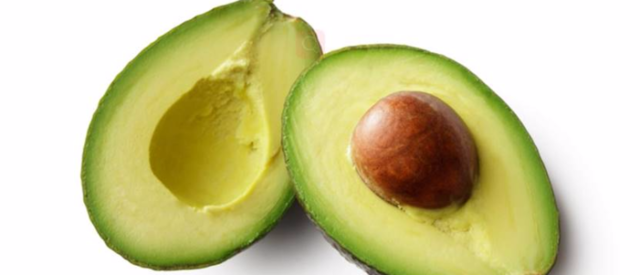
This week, “avocado” made it onto Weibo's trending topics list. The avocado, also known as the “alligator pear”, is shaped like a pear, with a rough skin resembling an alligator's head, yellow-green flesh, and a soft, cheese-like texture, with a large pit embedded in the middle. Because of its extremely high nutritional value, the avocado is called “the butter of the forest”, and it is now increasingly favoured in China.
According to reports, due to the expansion of China's middle class and the middle class's characteristic pursuit of health, in just a few short years the avocado has rapidly gone from an exotic fruit that Chinese people had “never heard of” to a new favourite of Chinese consumers. Reports say that Mexico's and Chile's avocado exports to China are growing by 250% each year; in 2016, Chinese people ate a total of 15,000 tonnes of avocados, 127 times the amount in 2013, and China will become the second-largest avocado consumer country after the United States.
However, can the avocado's hot sales in China and even around the world be attributed solely to the expansion of “middle-class” demand? Is the bourgeois sentiment that the avocado carries a natural expression of health enthusiasts' love for a highly nutritious fruit, or is it a deliberate campaign by interest groups? The avocado combines a rich texture with a fresh style, and is favoured for benefits such as lowering blood lipids, but is it really “unstained by blood”?
The avocado's rise in China was no accident
“More and more (Chinese) people care about a healthy lifestyle, and the rich nutrients contained in avocados can meet this demand.” That is what Zhang Hui (name transliterated), a sales manager at an online food delivery company, said. In his view, it is precisely people's emphasis on health that has made the avocado an unshakably dominant star in China's fruit and vegetable consumption scene. However, Chinese people's growing obsession with avocados was not a natural process.
A few years ago, Chinese people were not used to this fruit that violated Chinese common sense about fruit - the avocado's texture is not sweet and crisp like apples and pears, it tastes more smooth and greasy than bananas and durian, yet without the banana's sweetness. Quite a few netizens said it tasted bland, and Zhihu, Weibo and WeChat Moments were once full of bad reviews; some said that biting into an avocado was like eating soap.
Avocado sellers could not sit still. In order to reverse consumers' negative attitudes toward avocados, they mustered all their strength to give the public all kinds of avocado eating education.
Starting in September 2014, Pagoda began cultivating the Chinese market's consumption of avocados, for example by displaying small knowledge cards about avocados in its stores, “to make consumers feel that avocados are tasty”. - Southern Daily, “Pagoda Tells You How Avocados Travel Across the Ocean to Shenzhen”
In order to cater to Chinese people's tastes, avocado sellers also actively created new ways of eating them.
The marketing department of Joy Wing Mau (the operator of one of China's largest fruit distributors) has seven or eight staff members in charge of promotion planning for various fruits. Besides receiving avocado recipes sent by exporters, they are also responsible for how to keep innovating with these recipes. One of these employees' current jobs is to attract customers in high-end shopping malls to try a strange way of eating called “avocado with light soy sauce”. They cut the avocado in half, remove the pit, drip some light soy sauce on the flesh, and score it into cubes as if cutting tofu. ... Chinese consumers mostly see avocados as a fruit, and their acceptance of salads is not high either. So Joy Wing Mau handed more fruit-oriented recipes to retailers, such as cutting the avocado into cubes and mixing it with yogurt, or blending it with oranges and lemons into juice. - China Business News, “Avocados Invade China! Imports Grew 127-Fold in 4 Years”
This education was highly effective. Not only did sales of whole avocados surge, but the avocado, once available only in high-end hotels, also began to appear widely on the menus of all kinds of restaurants.
KFC, the fast-food brand famous for fried chicken and burgers, also could not wait to add avocado to its menu. On White Day in mid-March, KFC launched a new avocado spicy chicken leg burger, with Xue Zhiqian starring in the advertisement, “a hit of green”.
According to FT Chinese, Joey Wat, chief operating officer of Yum China, which operates 5,000 KFC restaurants, said, “It (the avocado) is seen as something quite premium and healthy”, and launching the avocado chicken burger and chicken wrap series would help enhance the image of its fried chicken chain.
Consumers bought into this novel combination. Although some said that in a heavily flavoured fried chicken burger you cannot taste the bland avocado, and that avocado with fried chicken also seems incongruous, the avocado's “petit-bourgeois” halo was enough to make tasters feel it was “not bad”. In the end, due to high demand, KFC's avocado promotion, originally planned for 3 weeks, ended early.
Social networks also accelerated the avocado's “invasion” of China. A large number of Weibo posts, viral WeChat Moments articles, advertorials and promotional pieces about avocado recipes and nutritional value turned the avocado into a “universal wellness cure”: the avocado is called “forest butter”, ranked alongside salmon and nuts as a byword for quality fats; it is “high-energy and low-sugar”, rich in “anti-ageing nutrients”, and also a “super guardian of cells”; it can brighten the eyes, care for the skin, smooth the hair, protect the heart, fight oxidation, lower cholesterol, and even help with weight loss.
Yet this professional nutritional knowledge does not necessarily come from experts' conscientious advice, but may be commentary commissioned by businesses:
Luo Wei has also already sent a batch of avocados to some doctor and nutritionist friends. He is China representative for the New Zealand avocado industry and once worked in the medical field. Luo Wei's aim in doing this is that these people might in future comment on the nutritional value of avocados. - China Business News, “Avocados Invade China! Imports Grew 127-Fold in 4 Years”
This professional knowledge quickly won over a group of health and Western-food enthusiasts. Because the avocado is photogenic and perfectly matches the currently popular “Mediterranean diet” standard - high energy, low sugar - and at the same time its price is far higher than that of ordinary fruit, it quickly became a “photo subject” for the middle class to show off its class status, and rose to become a new social favourite in the era of the citizen food photographer. “A half-avocado keeper is a must-have at home” became what the media called a “middle-class essential”.
Only after domestic businesses made all kinds of offline and online efforts, combined with the boost from social networks, did the avocado transform from a fruit that Chinese people found somewhat baffling into an aristocrat among fruits and a fighter jet among health foods. Consumers then also transformed into promoters of avocados, perfectly reproducing the meaning that businesses had assigned to the avocado.
One world, one set of marketing
Although China's avocado marketing made all kinds of localisation efforts in its recipes, in the eyes of most middle-class consumers the avocado is still an “exotic” Western food, and the facts seem to bear this out - the avocado really is an essential ingredient on Western dinner tables.
In the UK's light-meal fast-food supermarkets there are inevitably many options such as avocado salad, avocado toast and avocado burgers. Image source: Internet
However, just half a century ago, most Westerners did not even know what an avocado was. In Mexico, the avocado, like corn and soybeans, is a food with a long history of consumption and is very ordinary. It was not until the 1920s, when a group of white farm owners in southern California in the United States established the first avocado farm and launched a global marketing plan, that the avocado began to become known to Westerners.
This group of farm operators, with abundant capital and business acumen, first won their product a new name full of exotic flavour and easy to spread - avocado. They complained that the avocado's original names, aguacate (Spanish, meaning testicle) and alligator pear, could not be “put on the dinner table”, which almost ruined the entire industry, so they protested and successfully renamed it.
Starting in the 1960s, they began raising large amounts of money to advertise avocados. In 1974, avocados were scarce and precious, with a single avocado costing 1 US dollar (equivalent to 4.8 US dollars today). So marketers positioned this frightfully expensive fruit as a luxury, exclusively for elegant upper-class people to eat.
From the 1980s onward, the whole of the United States had grown fat, and the “kill the fat” movement that arose at the time in the American middle class saw nutritionists vigorously call on the whole country to reduce fat intake, with fat content becoming the top priority in determining whether a type of food was “healthy”.
Seizing this opportunity, advertisers branded the avocado: what avocados contain is healthy unsaturated fatty acids, unlike the bad fats in fried chicken and potato chips. Over the next thirty years, this claim successfully won over the hearts of countless middle-class people trying to lose weight.
In 1995, Hill & Knowlton, an American global public relations consultancy, made a big move, launching a nationwide audition campaign to find a partner for Mr. Avocado. The young women taking part in the audition showcased a healthy-diet lifestyle, which inevitably included eating avocados.
Not only healthy, but also fashionable. According to Mashable, the avocado overtook pizza in one fell swoop to become the food item people were most willing to post on Instagram in 2016. The food and beverage world also kept pace with the times, developing avocado specialty dishes one after another; even in Amsterdam, the Netherlands, a restaurant specialising in avocado, The Avocado Show, opened in 2016, where the breakfast, lunch, late-night snacks and drinks sold all use only avocado as the ingredient.
Celebrities also gave avocados a divine assist. “Victoria's Secret” lingerie model Behati Prinsloo definitely eats toast and scrambled eggs with avocado for breakfast; Blake Lively, who plays Selina in the American TV series Gossip Girl, also recommends homemade green fruit-and-vegetable smoothies. From then on the avocado was shaped into a high-status “lifestyle”.
What ultimately pushed the avocado onto its altar was the Super Bowl, known as “America's Spring Festival Gala”. In the United States, the Super Bowl is the annual American football championship game, firmly at the top of US television ratings, and is regarded as a battleground that advertisers must contest. In the 2015 Super Bowl, a fruit advertisement appeared in the “Super Bowl” for the first time - during the break at the end of the 1st quarter, a 30-second Mexican avocado TV commercial was broadcast, with an advertising fee as high as 4.5 million US dollars. That year, Mexico's avocado exports to the United States hit a record high.
As the most crazed consumer country, the United States maintains annual avocado consumption growth of 10-30%, with per capita consumption rising from 1.1 pounds per person per year in 1999 to 5.8 pounds in 2014; in 2014 its avocado imports reached nearly 730,000 tonnes, accounting for 46% of global avocado imports. In the same year, the annual avocado import volumes of the Netherlands, France, Canada, Japan and the United Kingdom ranged from 166,000 to 50,000 tonnes.
Just like everything that suddenly becomes popular, avocado sales became unobstructed under the combined effect of public relations plans, the mass media, social media and celebrity influence.
Everything that once happened on Western dinner tables is also highly likely to happen in China before long - people will all shed their aversion to avocados and rush to taste this exotic fruit brimming with “exotic” middle-class flavour.
Every avocado may hide dirty blood and sweat
However, just as when we use iPhones we cannot associate them with the fate of the workers who make them, most consumers also find it hard to know what avocado farmers go through in the process of growing avocados - social media and business marketing have successfully created most consumers' beautiful fantasies about avocados, but the production process is not so beautiful.
Mexico is the largest avocado exporting country. A report released by the “Global Avocado Summit” in 2015 showed that more than half of the world's avocados are produced in Mexico. Around 2015, Alibaba also established food import cooperation with local Mexican suppliers, and the Mexican avocados it imported began to be sold on the Tmall online shopping mall from the end of 2014.
However, in Mexico, the huge profits from buying up avocados induce local farmers to cut down large amounts of virgin forest to expand avocado cultivation, and combined with the enormous water consumption and chemical fertilisers required by avocado cultivation itself, this causes problems such as destruction of forest ecosystems, damage to water resources and poisoning of drinking water, bringing a huge survival crisis to local people.
What is even less known is that Mexico's grassroots farmers are forced to labour under extortion by the underworld. In Michoacan in southwestern Mexico, 80% of avocados are grown for export to the United States. However, the local drug gang “Knights Templar”, beyond its traditional businesses of marijuana, heroin and cocaine, expanded its “scope of operations” and monopolised the production of the “green gold”, avocados.
The avocado became a bargaining chip for extortion by the underworld gang: they take a cut from fertiliser and pesticide sales, and charge a high protection fee for every box of limes and avocados shipped out. If anyone refuses to pay, they may suffer a bloody disaster - there was once a local avocado processor who refused to pay, and whose crops were all burned down by the gang.
According to the foreign media outlet Alternet, Anne Murcott, a professor at the Food Studies Centre of SOAS University of London, said that the avocado's success is mainly due to precise marketing, and that from the example of the avocado one can see how the modern food industry, under social media and large amounts of marketing investment, confers “superfood” status on an ordinary fruit. In the process of the avocado's popularisation, the privilege of giving meaning to this food does not lie in the hands of consumers, but in those of sellers.
Consumers whose screens are flooded with advertising are in fact also being fooled. In order to prevent their health food from being excluded from health standards, American avocado merchants worked to change the health standards. Because of its high fat content, the avocado did not meet the healthy food standards proposed by the US Food and Drug Administration (FDA) in 1994. In 2016, snack manufacturer Kind protested to the FDA: according to FDA standards, neither avocados nor salmon are “healthy” foods, while fat-free jelly and sugary cereals are recognised as “healthy”; the avocado would not accept this. It is as if consumers have reason to believe that once the standards change, the avocado can become a truly healthy food.
Capital, in turn, is bound to keep seeking new profit opportunities. Because growth in major avocado consumer markets such as North America, Europe and Japan has slowed, and because of Trump's policies, rising tariffs between the United States and Mexico have dealt a heavy blow to avocado-related industries, sellers engaged in South American avocado exports have turned the battlefield to China in order to expand more diversified sales channels. Chinese consumers have become fresh fish on the chopping block of avocado merchants.
Yet the true producers in the global avocado value chain have been completely silenced. Besides being exploited layer upon layer by multi-tier fruit distributors, farmers must also endure coercion from the local underworld and the deterioration of their living environment.
They perhaps never know what exquisite shapes the avocados they grew with their own hands will be arranged into, just as the petit-bourgeois consumers tasting avocados cannot taste the blood and sweat attached to a single avocado.
Yet the agribusiness capitalists from different countries who dominate everything in the middle freely exchange what they have and benefit mutually.
Whether an avocado tastes good or not is for personal taste to decide. But the cruel truth behind the avocado makes it hard to swallow.