WTO Rules in Favor of the US in China-US Chicken Trade Dispute
The trade dispute between China and the US has existed for a long time. The US side has a certain resistance to Chinese products, mainly because Chinese products are good quality and inexpensive, and the US fears that Chinese products will occupy the American market, so it continuously strengthens anti-dumping measures. But US exports to China are
The trade dispute between China and the US has existed for a long time. The US side has a certain resistance to Chinese products, mainly because Chinese products are good quality and inexpensive, and the US fears that Chinese products will occupy the American market, so it continuously strengthens anti-dumping measures. But US exports to China are in a different situation. Recently, the World Trade Organization (WTO) made a ruling in the China-US chicken trade dispute, finding that China did not comply with the previous ruling and will continue to impose punitive tariffs on chicken imported from the US.
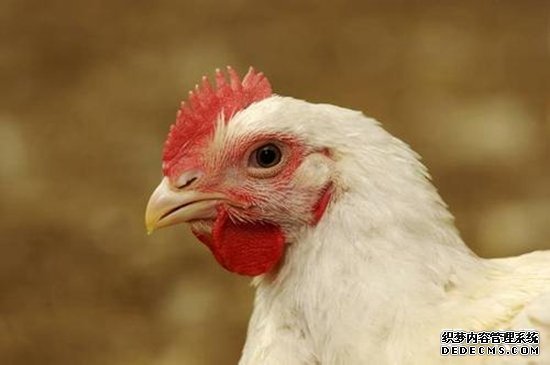
This ruling means that the Chinese government will be forced to further reduce tariffs on US chicken products, unless it files an appeal within 20 days.
The China-US dispute over the chicken trade began 7 years ago. In 2010, China announced anti-dumping duties of up to 105.4% and countervailing duties of 30.3% on US broiler products.
The US filed a complaint with the WTO on this matter in September 2011, and in 2013 the WTO issued a ruling favorable to the US. In response, China lowered the two tariffs to 73.8% and 4.2% respectively in 2014.
But the US was still dissatisfied with this. The US Trade Representative said that China was still violating trade rules and filed another complaint with the WTO in 2016, demanding that China open its market to US chicken.
Regarding the WTO ruling, China's Ministry of Commerce responded that China regrets the ruling, will evaluate the WTO report, and will carry out follow-up work in accordance with WTO rules.