How does nitrogen nutrition affect the growth and development of Cymbidium sinense
The effects of nitrogen nutrition on the growth and development of Cymbidium sinense
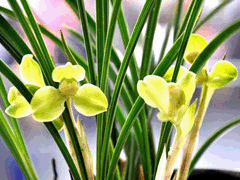 1. Effects of NH4+-N and NO3--N on the growth rate of leaf buds and leaves: The two forms of nitrogen at 1 mM showed no significant difference in their effect on growth rate; as the concentration increased (10-50 mM), the growth rate was lower than at 1 mM, especially for NH4+-N. For leaves, both 1 and 10 mM NO3--N were relatively suitable, while 50 mM NH4+-N was unfavorable for leaf growth.
2. External morphology and disease incidence: Plants treated with 1-10 mM NH4+-N showed little difference in appearance, while plants treated with 50 mM NH4+-N were short and stunted, with toxic effects; NO3--N at high concentration (50 mM) significantly increased leaf disease incidence.
3. Effects on flower bud formation: During the flower bud formation period, plants treated with NH4+-N formed no flower buds, while treatments with 1 and
10 mM NO3--N both resulted in flower bud formation.
4. Effects on photosynthetic rate: The photosynthetic rate of plants treated with NO3--N was higher than that of plants treated with NH4+-N. The photosynthetic rate was highest under 10 mM NO3--N treatment. High concentrations of N (50 mM) all reduced the photosynthetic rate.
5. Effects on chlorophyll content and protein content: As the nitrogen level increased, chlorophyll content increased accordingly, but the chlorophyll content of leaves treated with NH4+-N was higher than that of leaves treated with NO3--N. The protein content of plants treated with NH4+-N was higher than that of plants treated with NO3--N and increased with increasing concentration. (Ye Qingsheng, Pan Ruichi)