Detailed Introduction to the Types and Compositions of Culture Media
Types and Compositions of Culture Media
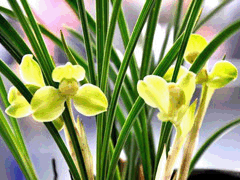 Culture medium is the most important substrate in plant tissue culture, and it plays a major role in determining whether culture succeeds. There are various types of culture media, and different culture media must be selected for different plants, culture explants, and culture purposes. At present, there are dozens of culture media popular internationally,OrchidsAmong those commonly used in culture are MS, B5, KC, V&W, Kyoto, and others.
Mineral nutrient components of commonly used culture media (unit: mg/L)
┌─────────┬────┬────┬────┬─────-┬────┬─────┬────┬──────┬────┐
│Composition │Heller │Nitsch │White │Hildebrandt│ MS │Gautheret │Btaydes │ B5 │ KC │
│ │(1953)│(1956 │(1963)│ (1946) │(1962)│ (1942)│(1966)│(Gamborg) │(1946)│
│ │ │ │ │ │ │ │ │ (1968) │ │
├─────────┼────┼────┼────┼─────-┼────┼─────┼────┼──────┼────┤
│ KCl │ 750 │ 15O0 │ 65 │ 65 │ — │ — │ 65 │ — │ │
│ NaNO3 │ 600 │ — │ — │ — ├ — ┤ — │ — │ — │ │
│ MgSO4·7H2O │ 250 │ 250 │ 720 │ 180 │ 370 │ 125 │ 35 │ 500 │ 250 │
│ NaH2PO4·H2O │ 125 │ 250 │ 16.5 │ 33 │ — │ — │ — │ 150 │ │
│CaCl2·2H2O75 │ — │ — │ — │ 440 │ — │ — │ 150 │ │ │
│ KNO3 │ — │ 2000 │ 80 │ 80 │ 1900 │ 125 │ 1000 │ 3000 │ │
│ CaCl2 │ — │ 25 │ — │ — │ — │ — │ — │ — │ │
│ Na2SO4 │ — │ — │ 200 │ 800 │ — │ — │ — │ — │ │
│ (NH4)2SO4 │ — │ — │ — │ — │ — │ — │ — │ 134 │ 500 │
│ NH4NO3 │ — │ — │ — │ — │ 1650 │ — │ 1000 │ — │ │
│ KH2PO4 │ — │ — │ — │ — │ 170 │ 125 │ 300 │ — │ 250 │
│Ca(NO3)2·4H2O │ — │ — │ 300 │ 400 │ — │ 500 │ 347 │ — │ 1000 │
│ NiSO4 │ — │ — │ — │ — │ — │ 0.05 │ — │ — │ │
│ FeSO4·7H2O │ — │ — │ — │ — │ 27.8 │ 0.05 │ 27.8 │ 28 │ 25 │
│ MnSO4·4H2O │ 0.01 │ 3 │ 7 │ 4.5 │ 22.3 │ 3 │ 4.4 │ 10 │ 7.5 │
│ KI │ 0.01 │ — │ 0.75 │ 3.0 │ 0.83 │ 0.5 │ 0.8 │ 0.75 │ │
│ NiCl2·6H2O │ 0.03 │ — │ — │ — │ — │ — │ — │ — │ │
│ CoCl2·6H2O │ — │ — │ — │ — │ 0.025 │ — │ — │ 0.025 │ │
│ Ti(SO4)3 │ — │ — │ — │ — │ — │ 0.2 │ — │ │ │
│ ZnSO4·7H2O │ 1.0 │ 0.5 │ 3 │ 6.0 │ 8.6 │ 0.18 │ 1.5 │ 2 │ │
│ CuSO4·5H2O │ 0.03 │ 0.025 │ — │ — │ 0.025 │ 0.05 │ — │ 0.025 │ │
│ BeSO4 │ — │ — │ — │ — │ — │ 0.1 │ — │ — │ │
│ H3BO3 │ 1.0 │ 0.5 │ 1.5 │ 0.38 │ 6.2 │ 0.05 │ 1.6 │ 3 │ │
│ H2SO4 │ — │ — │ — │ — │ — │ 1.0 │ — │ — │ │
│ FeCl3·6H2O │ 1.0 │ — │ — │ — │ — │ — │ — │ — │ │
│Na2MoO4·2H2O │ — │ 0.025 │ — │ — │ 0.25 │ — │ — │ 0.25 │ │
│ AlCl3 │ 0.03 │ — │ — │ — │ — │ — │ — │ — │ │
│ Fe2(SO4)3 │ — │ — │ 2.5 │ — │ — │ — │ — │ — │ │
│ ferric tartrate │ — │ — │ — │ 40.0 │ — │ — │ — │ — │ │
└─────────┴────┴────────--┴--────-┴────┴─────┴────┴──────┴────┘
Although there are many types of culture media, their basic compositions are roughly the same. They mainly include water, which may be distilled water, deionized water, or tap water; inorganic salts, among which the macroelements include nitrogen, phosphorus, potassium, calcium, magnesium, sulfur, and others, and the microelements include iron, manganese, copper, zinc, platinum, boron, and others; sugar, mainly sucrose; commonly used vitamins include B1, B2, nicotinic acid, and others, as well as inositol, amino acids, and others; solid culture media require agar as a gelling agent, to facilitate the fixation of the culture material on the medium. (Wang Huaiyu)