A Detailed Guide to the Correct Watering and Irrigation Methods for Orchids
Watering and Irrigation Methods for Orchids
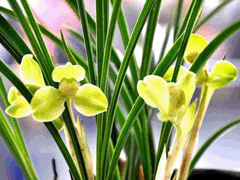 For orchids, natural spring water is best, and rainwater is the very best. Next best is water that contains no salt or other impurities, so well water, river water and pond water are all considered good. Tap water, however, is unsuitable because treatment methods differ from place to place and it contains substances such as alum and bleaching powder.
Whether an orchid plant succeeds or fails often depends on the amount of water used for irrigation. Most people treat watering as a daily task and habitually pour a fixed amount, so over a long period the plant ends up with too much or too little water without the grower realizing it. This is truly something thatorchid growersoften lament -growing orchidsis not easy. But the most commonorchid-growingfailure occurs when the owner leaves home and entrusts the care of the orchid plants to someone else.
What are the key points of watering - several times a day or once every few days? "Water when dry" is the basic rule. Judging whether the orchid pot is dry or damp depends on experience. Even in the same location, with the same type of pot, the degree of dryness or moisture of each one is not the same; if there are many different kinds of orchid pots, then it is even more a different matter. Which pot needs more water and which pot only needs its leaves dampened - truly, apart from patient observation and experience, there is no other way. The ancients said: "Orchids delight in moisture and grow in constant dampness; they delight in dryness but fear parching." Both insufficient and excessive dryness or moisture are improper. Based on the decades of orchid-growing experience of senior figures in the orchid world, the following standards are offered for your consideration.
In March and April, water once every two or three days, or a small amount once a day. In May and June, the orchid plants enter their growing period, so they need watering every day; if there is light rain, they can be placed outdoors for several hours, and depending on how the orchid is planted, they may even be left out all day. After the rain, wait until the plants dry out and lack water, then water again. In July, August and September, give one thorough shallow watering in the evening. Unless there is a violent storm, letting orchid plants be watered by rain is beneficial. But after a brief, steaming shower, once it clears again they must be watered with clear water, because the hot air stagnates in the pot and is harmful to the orchid plants. In October and November, watering once a day is enough. In December, January and February, the winter dormant period of the plants, watering once every four or five days is sufficient. If more water is to be given, it is best to choose an overcast, rainy day to do so, in order to prevent frost injury.
Orchid plants delight in spring rain. Besides saving the trouble of manual watering, it also washes the leaves for you, stimulates the stomata, increases the functional activity of the leaves, and can drive away stale air from the pot, so it should really be made greater use of. When there is little rainfall, a sprayer can be used to irrigate the leaves, but it is best done on an overcast day or in the evening, avoiding operation under the hot sun. Some people say: orchid leaves must not be watered. That is an unnecessary worry, for orchid plants receiving a moderate beating from wind and rain should help them develop strongly and healthily, and can also prevent the occurrence of dry-loving pests. But note that for several hours after watering the leaves, direct sunlight must absolutely be avoided, lest sunburn disease occur.
For watering orchid plants, besides using a watering device, immersing the whole planting pot in a bucket of water is also a simple and effective irrigation method. In short, the watering of orchid plants should be determined by knowing the proper degree of dryness and moisture according to the pot, the soil, the planting method and the location; wanting others to tell you a secret formula is less practical than knowing it through your own experience.
Bu Jinzhen