A Brief Introduction to the Prevention and Treatment of Common Physiological Diseases in Orchids
Introduction to the Prevention and Treatment of Common Physiological Diseases in Orchids
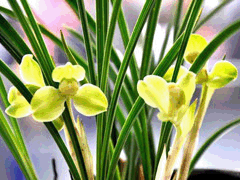 OrchidsCultivationPhysiological diseases often occur during cultivation, and timely prevention and treatment should be given attention.
1. Sunscald: Also known as sunburn, it is mainly caused by scorching from intense direct sunlight in midsummer. It can be prevented by using a shade net to ensure that no direct sunlight enters.
2. Weak plants: Caused by insufficient light, affected orchid plants grow leggy stems and leaves, with leaves becoming thinner and turning yellow-green. Prevention and treatment measures: Move the affected plants to a location with ample light so they receive more appropriate illumination.
3. Root rot: Mainly caused by overwatering; plants become wilted, the root system is damaged by waterlogging, resulting in varying degrees of root decay. Prevention and treatment method: Immediately stop watering, take the affected plant out of its pot, first prune away the rotted roots, then replace with fresh soil and replant.
4. Flower and bud drop: Usually caused by drastic changes in environmental conditions, such as temperature or light suddenly becoming too low or too high, or prolonged drought due to lack of watering. Prevention and treatment method: Improve the indoor environment, pay attention to ventilation or insulation, and avoid extremes of heat or cold. In addition, maintaining high humidity and adequate watering are also effective measures to prevent bud drop.
5. Plant shriveling: Mainly caused by drought and lack of water, manifested as fleshy aerial roots drying out and wrinkling, pseudobulbs becoming shriveled, and leaves losing their luster. The prevention and treatment method is to immediately replenish water so that the orchid plant fully absorbs water and returns to its original appearance.
6. Freeze injury: Manifested as water-soaked necrosis of tissues such as leaves, pseudobulbs, and aerial roots after frost damage. The prevention and treatment method is to immediately prune away the frozen dead roots and withered leaves, stop watering, and place the plant in a warm location above 15°C for care.
7. Leaf tip or leaf margin scorch: Mainly caused by excessive sunlight exposure, or insufficient watering, or a pot that is too small causing the root system to become tangled together; manifested as leaf tips or leaf margins becoming scorched and black, and in severe cases the scorched area continuously expands, causing most of the leaf to become scorched. Prevention and treatment method: First prune away the scorched portions of the leaves, and when watering, spray the plants to increase humidity. If the pot is too small, it should be repotted in a timely manner so that the root system can spread out and grow.