Detailed explanation of key points of white orchid (Michelia alba) care techniques, teaching you to easily grow white orchids well
White orchid care techniques
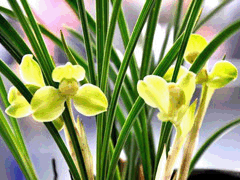 WhiteorchidIt likes sunlight and prefers a warm, humid growing environment. Its care and management should be adapted to local conditions according to different climate conditions.
1. Flower pots and soil
For household potted white orchids, soil that is loose, highly breathable and relatively rich in humus should be selectedcultivation. Usually, well-breathable clay pots, purple clay pots (tubs) or plastic pots with more bottom holes are chosen. The soil in the pot should preferably contain a certain amount of granular soil of varying sizes to facilitate water drainage and air permeability.
2. Planting and storage location
From March to April each year, move the pots and tubs planted with whiteorchidflowers outdoors and place them in a sunny spot. In summer, when the temperature is high, shade nets or a simple shade shed should be used as appropriate, so that the white orchid can receive the morning sun while avoiding the strong light of summer afternoons (to avoid scorching branches and leaves due to exposure). Whenever there is continuous light rain in autumn or heavy rain in summer, the pots and tubs should be placed in a rain-sheltered place in advance, so as to avoid root rot caused by excessive water accumulation. In winter, choose an indoor location that can receive sunlight and has good sealing. To prevent the roots from freezing, the pots and tubs planted with whiteorchidflowers should also be wrapped with plastic film.
3. Pruning
For potted white orchids, choose a suitable height, and use pruning shears to cut off the terminal buds and shorten some side branches. After the terminal buds are cut off, it is beneficial for growing more side branches, more flower buds and more flowers.
4.Pests and diseases prevention and control
White orchids usually develop leaf spot disease, rot fungus disease, aphid infestation, etc. When aphid damage occurs, they can be directly caught and eliminated. For leaves showing disease spots, diluted carbendazim and methamidophos solution can be used for spray sterilization.
5. Repotting
According to the size of the white orchid's crown and the length of its tree age, replace it with a pot or tub of appropriate size to promote vigorous plant growth. During operation, wait until the potting soil is slightly dry, slowly tilt the pot (tub) (or turn it upside down), support the pot with one hand, hold the plant firmly with the other hand, and pour the white orchid out and move it into a new pot. A small amount of loose soil should be placed in the new pot (tub) in advance, then water thoroughly, and it will be stable after planting.
6. Fertilization
During the vigorous growth period of the white orchid (usually May to June or July to August each year), apply flower fertilizer to the white orchid about once every half month, or apply a small amount of nitrogen, phosphorus and potassium compound fertilizer at about 20, 2 grams to 6 grams each time. The specific operation is: first use a small iron shovel to draw several vertical and horizontal small trenches in the soil in the pot, then slowly sprinkle the fertilizer into the trenches, then cover it with the surface soil in the pot, and water a little. Let the fertilizer gradually penetrate to the roots of the plant with each watering. Never sprinkle fertilizer directly onto the roots, so as to avoid "burning roots" caused by excessive fertilizer effect in the soil around the roots.
7. Watering
Whether watering is appropriate is the key to caring well for white orchids. White orchids should not be watered too frequently or excessively. The correct watering method should be: thoroughly moisten the soil in the pot at one time, and do not water when the soil in the pot is slightly dry. Remember not to water every day, but you can often spray the leaves with a small spray bottle. In summer, water thoroughly no fewer than three or four times a month (plus spraying water on the leaves). The easier method to master is: as long as you see the leaves of the white orchid drooping, it is time to water. In autumn, water thoroughly two or three times a month, and in winter, water thoroughly once or twice a month.