A Detailed Guide to the Prevention and Control of Physiological Diseases in Orchids
Prevention and Control of Physiological Diseases in Orchids
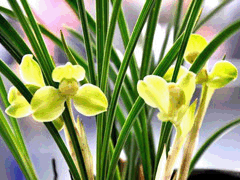 OrchidsPhysiological diseases, also known as non-infectious diseases, are caused by unsuitablecultivationenvironments and care practices rather than pathogenic organisms. Examples include temperatures that are too high or too low, light that is too strong or too weak, improper water and fertilizer balance, nutrient deficiencies, inappropriate pesticide use, harmful gases in the air, and toxic substances contaminating the ground, among others.OrchidsThe main types and symptoms of common physiological diseases are as follows:
Cold injury and heat injury. In late winter and early spring, occasional snowstorms, cold fronts and prolonged low temperatures exceed the cold tolerance limit of orchid plants, causing frost damage to orchid tissues or organs. In mild cases, the orchid leaves are damaged; in severe cases, the entire plant dies. In the scorching heat of midsummer, when temperatures rise above 35°C, orchid leaves are scorched and burned, the leaf color fades to green or turns yellow, and orchid roots shrivel.
Excessive shade and sunscald. When orchid plants are cultivated long-term in an orchid shed or orchid room, insufficient light causes the leaves to become pale green and leggy, with weak vitality. In midsummer, if orchid pots are placed in the open air or the shading of the orchid shed is too little, sunscald occurs, causing the orchid leaves to turn yellow.
Drought and waterlogging. If water is insufficient and the air is dry, orchid plants grow slowly, become stunted, develop yellow leaves, and may even wilt and die. If watering is too frequent and the amount of water is too large, water accumulates in the pot and the soil lacks oxygen, causing orchid leaves to turn yellow and drop; in severe cases, the roots rot and the plant dies.
Nutrient deficiency, that is, deficiency symptoms. According to available information, among the nutrient elements in the growing medium, insufficient nitrogen fertilizer causes new leaves to be pale green, old leaves to yellow, and the plant to age prematurely; phosphorus deficiency causes orchid leaves to be dark green and delays the growth period; potassium deficiency causes leaf tips to scorch and spots to appear on the leaf surface; iron deficiency causes interveinal chlorosis, and even pale yellow or whitish leaves; copper deficiency causes young leaves to wilt and white spots to appear.
Toxicity. When polluted by harmful gases and the soil contains toxins, orchid plants grow poorly, leaves are scorched, and the root system is damaged.
Identifying the cause, treating the symptoms accordingly, making up for deficiencies, and correcting excesses are the basic principles for preventing and controlling physiological diseases in orchids. In cultivation and care, it is required to provide as much as possible all the conditions needed for orchid growth and to strive to create an excellent ecological environment suitable for orchid growth; that is, adjust light, temperature, humidity and pH in a timely manner according to different seasons and different growth stages, water scientifically, fertilize reasonably, pay attention to ventilation and air permeability, and try to avoid or reduce the occurrence of unscientific and unreasonable practices that cause diseases. As long as these aspects are handled well, physiological diseases will not occur. Even if improper management in one aspect occasionally leads to symptoms, they are not difficult to control and recover from. (Zhu Fengshan)