Analysis of the Causes of Root Rot in Orchids and How to Treat It
Also Discussing Orchid Root Rot
 Commonly known as root failure. Its main causes are nothing more than improper watering, excessive rain, or an unreasonable potting mix structure with poor drainage; sometimes pathogen infection can also cause root rot. Root rot causes orchid leaves to turn yellow, shrivel, and drop, and sometimes even the pseudobulbs rot away, or the entire plant dies.Orchidshave a fleshy root system, and only under conditions of relatively balanced moisture can theorchidroot system normally carry out its role of absorbing and transporting nutrients. So, when you encounter root rot, how should you deal with it? Here are a few of my views:
First, repot as early as possible. Once orchid root rot is discovered, you need to change the soil and repot with new growing medium. Pay attention to the quality and drainage and water-absorption performance of the medium; fired clay soil or dry soil, charcoal, and similar media are best. You can also appropriately mix in or top-dress some coarse sand around the root and pseudobulb area for better results.
Second, control sunlight. For a period after repotting, the plant must not be exposed to scorching sun. Place it in a shaded, well-ventilated spot, but note that the wind should not be too strong, so as to avoid any adverse effects.
Third, pay attention to the repotting and planting method. Besides ensuring that the potting soil drains well, the medium from below the pseudobulb down to near the roots should be firm and dense, and the pseudobulb should be planted somewhat deeper. This both provides protection and prevents the pseudobulb from wobbling or floating above the soil surface. Rotten roots and shriveled, yellowed leaves should be trimmed away to reduce nutrient loss, so that the nutrients in the pseudobulb can be stored to sustain root development.
Fourth, water rationally. Incultivationmanagement, strictly regulate water use. The potting soil is best kept half-moist and just beginning to dry; it should neither dry out to the point of turning pale nor be noticeably too wet. If rainy weather occurs, move the plant to a sheltered place, and control the potting soil moisture as well as possible to ensure normal root growth.
Fifth, fertilize moderately. Do not fertilize after repotting. Wait until sprouting begins, then apply a small amount of compound fertilizer. After the new shoots open their leaves, apply nitrogen fertilizer or organic fertilizers such as fish meal or bone meal. To reduce acidity and prevent rats and pest and disease problems, it is best to crush soybeans, soak them in water to ferment for several months, then add clean water to dilute at about 1:20 for a top-dressing, and spray thiophanate-type chemicals to sterilize and prevent disease.
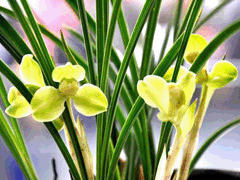
Orchid root rot can still be remedied as long as management is reasonable. The Hehuasu I planted last year suffered root rot due to prolonged rain. Through proper management, it still sprouted, grew leaves, and bloomed. This year it is growing well, and each small pot has bloomed two or three times, with several flower spikes each time and 6-7 flowers per spike.