Orchids love humidity - but is higher humidity always better?
Orchids love humidity - is more moisture always better?
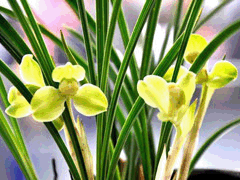 OrchidsWhat "loving humidity" means is higher air humidity, while the potting soil should be kept slightly drier.
Orchidflower'sThe amount of water given to orchids should be determined according to the season, temperature, air humidity, ventilation, plant size, and how dry or wet the potting soil is. For wateringflower'swater, rainwater and spring water are best, followed by river water and tap water, but no matter which water is used, it should be left to stand for 1-2 days so that impurities in the water settle and stale gases escape before use. Never use well water or other saline-alkaline water, otherwise it will cause salinization of the potting soil, which is harmful to orchid growth.
Fine drizzle is suitable for orchid growth, but prolonged rain and heavy rain should be avoided. In spring, when temperatures are relatively low, the potting soil should be kept dry and watering should be reduced to prevent new shoots from rotting; in summer and autumn, when temperatures are relatively high, orchids grow vigorously and evaporation is great, so watering should be increased appropriately, but it is best done in the morning and evening; during the plum rain season, the potting soil should be kept slightly dry, as too much moisture will cause leaf buds to wither and invite disease; after autumn, watering should be reduced as appropriate; in winter, the potting soil should be kept slightly dry, watering frequency should be correspondingly reduced, and watering should be done around midday, poured along the edge of the pot, and never splashed over the leaf surface.