Orchid care methods and precautions in spring
Spring care for orchids
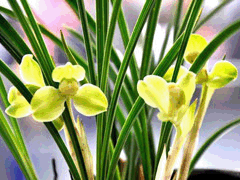 In spring,orchidwatering management is very important. As the weather turns warm andorchidsare moved out of their winter quarters, they should be given plenty of water. Rinse theorchidsonce with clean water to flush out stale air and waste from the plants and pots, keeping them moist so the orchids quickly regain their vigor.
When the spring breeze begins to blow and the weather warms up, it is exactly the time when new buds swell and emerge from the soil. Because the water in the potting medium evaporates quickly at this time, water should be given promptly. When orchids are grown in granular potting medium, they can be kept slightly on the moist side. Spring is the golden season for orchids to sprout and grow, but in the southern region there is the "plum rain," with light rain falling almost every day; under 100% humidity and hot, steamy conditions, bacteria take the opportunity to invade, and new buds rot. Therefore, during this period white fiberglass is often used to build a rain shelter, so that the orchid pots dry out and then are watered according to the situation. In the northern region, however, it is different: spring rain is rare, and if large granular potting medium is used, watering should be done at noon. In this way the pots become moist by evening, which benefits nighttime growth. If water management is done well, you can see the new shoots growing taller almost every day.
When orchids sprout and emerge from the soil in spring, the correct application of fertilizer is also important; you must not be impatient for quick results. Too many applications and fertilizer water that is too concentrated will often harm the orchids. Because modernorchid growingmostly uses soillesscultivationwith granular potting medium, it is very important to apply fertilizer according to the potting medium. Orchid mud, pond mud and charcoal soil are themselves rich in nutrients, so if the potting medium is new, there is no need for much additional fertilizing within a year; once every half a month to a month is enough. Both chemical fertilizers and organic fertilizers have very good effects; when using them, it is best to apply them lightly and thinly, choose an overcast day or the evening, and do not let the fertilizer liquid get on the orchids when fertilizing.
In addition, fertilizer should also be applied according to the orchid's own growth condition. During the stage of large seedlings and strong seedlings, nitrogen fertilizer should be applied frequently, once every three to five days. For orchids being restored to vigor, the frequency should be appropriately reduced, from once every half a month to once a week, depending on whether the orchids can absorb it. Weak plants, rootless plants and leafless pseudobulbs, however, absolutely need plain maintenance and must not be given additional fertilizer, otherwise haste makes waste and they will instead suffer harm.
If water and fertilizer are applied properly in spring, the orchids will grow very well throughout the year.