Detailed explanation of techniques for enhancing fragrance in orchids, making orchid fragrance more intense
Techniques for enhancing fragrance in orchids
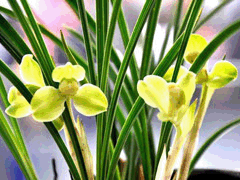 1.Orchidsprefer semi-shade, but must not be placed in dark, lightless places. Otherwise, because they cannot receive light for photosynthesis over the long term, they grow poorly and have no way to produce organic matter to supply the nectary glands for brewing the fragrant nectardew, so even if they bloom, they will not be fragrant. They should be placed in a location with strong light but some shade, and in winter they should especially be placed in a sunny spot, with the pot turned once every half month so that all sides receive light.
2. Repot in a timely manner to keep the potting soil fertile. Apart from stopping fertilizer during the intense heat, severe cold, and around the flowering period, apply a dilute phosphorus-based fertilizer solution once every half month, so that the orchids have the ability to supply the nectary glands for making nectardew and to accumulate and store it.
3. Orchidflowers'cold resistance is relatively poor,Cymbidium goeringii、Cymbidium faberimust be kept above 3°C,Cymbidium ensifolium、Cymbidium kanranmust be kept above 10°C. Otherwise, they are easily damaged by cold, which affects flowering, or they may barely bloom but the nectardew freezes and cannot release fragrance.
4. In greenhouses, flower rooms, or shade sheds where many orchids are placed or planted, care should be taken to isolate different varieties and not mix them in planting or placement, so as to avoid mixing pollen and changing the original good fragrance-releasing performance. Orchids should be kept away from toilets, kitchens, and other places with a high possibility of contamination, so as to avoid contamination causing disorder and decline in nectary gland function and affecting fragrance release.
5. Orchids are susceptible to bacterial diseases such as anthracnose, leaf spot, and black rot, and viral diseases such as black spot and necrosis, and are also easily attacked by scale insects, red spiders, whiteflies, and others. If not promptly eliminated and treated, the orchids will suffer from repeated injuries and illnesses, leaving them unable to accumulate nutrients to supply nectar production.