Detailed Explanation of Bottle Orchid Cultivation Methods and Technical Key Points
Cultivating Bottle Orchid
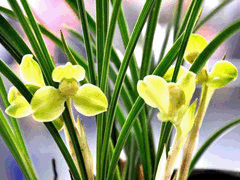 BottleOrchidThe flowers are shaped like bottles and their fragrance resembles that of orchids, so it is called "BottleOrchid". The leaves of BottleOrchidare elliptical or obovate, rich green in color, and glossy on the surface. The fruit is ovate, turning orange-red when mature, and with its long fruit stalk it looks like a hanging golden ball that does not fall off for a long time, making it very attractive. It is a high-grade ornamental fruit tree species.
Bottle Orchid prefers warm and humid conditions and is cold-tolerant. In an environment with sufficient sunlight, it easily flowers and bears fruit. In summer, when sunlight is intense, appropriate shading can make the leaf color even more lush green.
For potted BottleOrchidthe soil can use fertile, loose leaf mold or garden soil mixed with 10% sandy soil. First place broken tiles at the bottom of the pot to ensure ventilation and drainage. Ordinarily, the potted flower can be placed in a warm, sunny place, and in summer attention should be paid to shading. During the growing period, water frequently to keep the pot soil moist; either excessive dryness or waterlogging is not conducive to the growth of the flower. In summer and autumn, apply cake fertilizer water once every 2 weeks. During the full blooming period, some phosphate fertilizer can be applied appropriately to promote more flowering and fruiting.
Bottle Orchid is mostly propagated by sowing. The fruit that matures in the same year can be picked, the flesh removed, dried in the shade, buried in clean fine sand for storage, and sown in February-March of the following spring. Root cutting propagation can also be carried out. Thick, strong roots can be cut off and transplanted into sandy soil, and the soil should be kept moist. After one month, they will take root.