Analysis of Orchid Cultivation Techniques: The Method of Growing Orchids with Light
Orchid Cultivation Techniques: Growing Orchids with Light
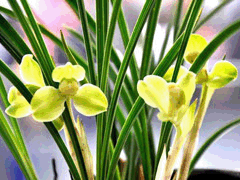 Using electric light sources to artificially supplement lighting is one of the effective measures for improving theorchid'scultivationenvironment and achieving high yield and high-qualityorchids. Through experiments, the optimal conditions for artificial supplementary lighting suitable forCymbidium goeringiigrowth were preliminarily identified, increasing its germination rate by about 1 times compared with that in a natural environment, and also enhancing the ornamental value of the orchid leaves.
1. Design of artificial supplementary light sources;
The first category is light sources that increase photosynthesis. Four 20-watt fluorescent tubes can be installed 200 mm above the orchid plants, to be used before sunrise, after sunset, and when sunlight is insufficient. The second category is light sources that kill pathogens. Install one 30-watt ultraviolet (2537 angstrom) tube 400 mm above the orchid clump, and turn it on once a week for 15 minutes.
2. Extending the photosynthesis time;
Appropriately increasing light is especially beneficial to the vegetative growth of orchid plants, but the lighting time must not be too long. The author's experience is: supplement lighting each day for about 4 hours in spring, about 2 hours in summer, about 3 hours in autumn, and about 5 hours in winter, averaging about 3.5 hours of supplementary lighting per day throughout the year.
3. The optimal light intensity for photosynthesis;
Although Cymbidium goeringii is a shade-tolerant plant, it still needs a certain light intensity to grow normally, and its optimal light intensity is 2000 lux. Orchids cannot grow and develop normally when the light is too strong or too weak.