Complete Guide to White Orchid Tree Pest and Disease Control
White Orchid Tree Pest and Disease Control
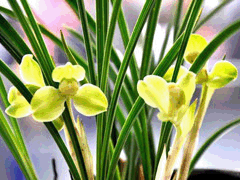 WhiteOrchid Treeleaves are emerald green, the flowers are as white as jade, and the fragrance is orchid-like, making it very appealing. However, it often suffers from pest and disease damage due to poor management, causing the leaves to turn yellow, the flowers to become small and lose their purity, and the ornamental value to decline, which is disappointing. WhiteOrchid TreeCommon diseases include chlorosis, anthracnose, and root rot; pests include scale insects, red spider mites, aphids, and slug moths.
1. Anthracnose. It mainly occurs on the leaves. In the early stage, it shows as chlorosis, with small yellow spots appearing, which then gradually expand into round or oval shapes. Several lesions merge into irregular spots, with a pale brown center and dark brown edges. When the lesion occurs at the leaf margin, it is semicircular, causing some twisting of the leaf. When the disease is severe, the entire leaf withers, turns black, and falls off. This disease is a fungal disease, and the pathogen overwinters in the diseased tissues of the host. Excessive watering in pots and too high humidity make the disease more likely to occur. It generally begins in early June, with July to August being the peak period. Control methods are: improve the watering method by letting water enter from the edge of the pot, and not too much; combine with pruning, cut off diseased leaves and diseased shoot tips, clear away fallen leaves and destroy them to reduce the source of disease; during the spring rain and plum rain seasons, spray an equal-amount 100 to 200 times Bordeaux mixture, 65 percent zineb 500 to 800 times solution, or 70 percent thiophanate-methyl 1000 times solution every ten to fifteen days, spraying three to four times in succession to suppress the occurrence of the disease.
2. Root rot. It is a fungal disease. Excessive watering of the white orchid tree or waterlogging can easily cause the root system to turn black and rot. In mild cases, growth is poor and leaves yellow and fall off; in severe cases, the whole plant dies. Control methods: striving to improve soil drainage conditions is an important measure to prevent the disease. Watering should follow the principle of watering when dry and stopping when wet, and water thoroughly when watering, and pay attention to loosening the soil; during continuous rainy days, prevent rain from falling on the plant and promptly pour out accumulated water in the pot; place more broken tiles and other drainage materials at the bottom of the pot. When placed outdoors, it is best to prop up the flower pot with bricks to facilitate drainage; if the plant is infected during the growing period, chemical agents such as 65 percent zineb 250 times solution, 50 percent amobam 250 times solution, or 50 percent carbendazim 500 times solution can be used to irrigate the root soil.
3. Chlorosis. Also known as lime-induced chlorosis, it is a physiological disease. If the potting soil is alkaline and water containing more saline-alkali components is also used for irrigation, the leaves of the white orchid tree, which prefers slightly acidic soil, will gradually change from emerald green to yellow-white, and in severe cases, parts of the leaves will necrose and turn brown. After the disease occurs, immediately spray a 0.5 percent ferrous sulfate solution on the leaf surface, once a week, for three to four consecutive sprays, and at the same time apply alum fertilizer water.
4. Pests. The white orchid tree is sometimes harmed by scale insects and red spider mites. The affected plant's leaves turn yellow and in severe cases fall off one after another, affecting growth and development. Usually check the underside of the leaves frequently. If a small number of scale insects are found, they can be caught by hand. When red spider mites are found, a sanitary sprayer can be used, filled with water, adding three to four drops of dichlorvos or dimethoate, and sprayed to kill them. If there is no sprayer, a small wooden (bamboo) stick with a cotton ball tied at one end and dipped in dichlorvos can also be inserted into the pot for fumigation, and both can achieve good control results. Aphids occur between spring and summer, with the most serious occurrence from May to June, mainly harming new shoots in spring and summer. A 40 percent dimethoate 1000 times solution or 25 percent phosmet can be used.