White Michelia (Magnolia alba) Cultivation Techniques and Key Points of Care and Management
Cultivation Techniques for White Michelia
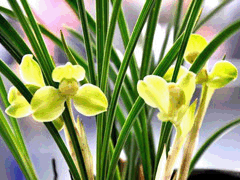 WhiteMicheliahas upright branches, verdant leaves, and pure white, elegantly simple flowers with a fresh, sweet, and mellow fragrance; the scent is most intense when the buds are about to open; the flowering period is long, and with suitable temperatures it can bloom continuously. It has unique growth habits.
(1) It likes light and cannot tolerate shade, but it also must not be placed under direct scorching sun. If kept in a shaded place for a long time, the branches will grow long and the leaves thin, the leaves will easily fall off, the flowers will be sparse and the fragrance faint, and the growth will be weak and spindly; while in summer when it is too dry, it should be slightly shaded, and water should be poured around the pot.
(2) It likes warmth and humidity, and cannot tolerate drought. White Michelia has large leaves and transpires quickly, consuming a lot of water. In summer, if watering is even slightly delayed, the leaf edges will scorch and wilt, and even the tender shoot tips may be burned. If watering is insufficient and the potting soil is too dry, the leaves will turn yellow and withered at the edges. Watering should be thorough to avoid the problem of watering only the roots. Because White Michelia has fleshy roots, either too much or too little water in the pot is bad for root growth; it is especially afraid of waterlogging, which easily causes the roots to turn black and rot. In the rainy season, the pot should be tipped on its side, and attention should be paid to preventing waterlogging; if yellow leaves or leaves turning red due to root rot are found, watering should be strictly controlled, and it may even be watered only when the leaves become soft and droop. The water used for watering should be stored first so that it matches the air temperature.
White Michelia should be brought indoors before the Start of Winter, otherwise a single frost will damage the new shoots and tender leaves of the White Michelia. It can overwinter at a room temperature of around 15°C during the day and not lower than 5°C at night. If the leaves become wrinkled and fall off, it indicates that it has been chilled; if brown spots, dry tips, and leaf drop appear, that indicates the overwintering indoor temperature is too high. It should be noted that whether the leaves fall off due to excessive cold or excessive heat, it will affect the next year's flowering. Attention should also be paid to preventing soot and dust, and increasing the humidity around the canopy. The branches and leaves should frequently be sprayed and washed with clean water to keep the leaf surface clean, so that the branches and leaves remain fresh green and verdant.
(3) It likes fertilizer. Because it blooms many times, each blooming consumes a large amount of nutrients, so supplementation must be carried out in time, otherwise flowering will inevitably be affected. It is advisable to apply decomposed human manure and urine and oil cake water. In early spring, apply dilute liquid fertilizer, gradually increasing the concentration, and mix in an appropriate amount of ferrous sulfate. Do not fertilize when the soil is too dry or too wet. In summer, fertilizer can be applied in the afternoon, and by evening clean water should be poured to dilute the fertilizer water and dispel the heat around the roots so as to avoid burning the roots. Stop fertilizing at the end of September or the beginning of October.
(4) It likes acidic soil with good drainage. If the irrigation water is on the alkaline side, it will cause poor plant growth and yellowing leaves.
(5) It requires good ventilation, otherwise it is prone to red spider mite damage, and affected plants will have yellowing leaves that fall off. In this case, besides spraying pesticide to kill the insects, the pot should be moved to a cool place, watering should be controlled, and before long new leaves will grow again.
(6) White Michelia sprouts only twice a year, in spring and during the dog days. In between, the branches have a period of suspended growth, after which the second sprouting occurs. It grows branches while flowering, and after each sprouting it can bloom five or six flowers. The flowering period is from May to September. Therefore, during the growing season, diseased branches, dead branches, and leggy branches should be pruned away, and some old leaves should be removed to control the tree's growth vigor, so as to promote flower bud formation and improve flowering quality. The best time to remove old leaves is after the first peak growth period, and it should also be done appropriately in the following spring.
Cuttings do not easily take root, and in ChinacultivatedWhite Michelia, due to climate and other factors, cannot set fruit or produce seeds. Magnolia liliiflora, Michelia champaca, and similar plants can be used as rootstock for grafting propagation. The rootstock can be potted in spring, first planted on one side of the pot, so that during approach grafting the rootstock is more easily brought close to the scion, and the grafted junction can be kept as low as possible. The best grafting time is during the peak growth season of White Michelia; for small-scale propagation, air layering can also be used. Although the number produced is very small, the chances of survival are greater.