Fertilizing orchids should be done at the right time; master the correct fertilizing method
Fertilizing orchids should be done at the right time
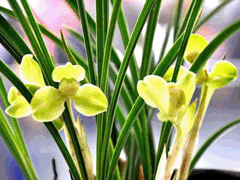 Fororchidsfertilizing, do not fertilize in the following situations:
1. Do not fertilize in early spring: orchids just brought out of the room are also just gradually reviving from dormancy and resuming growth. At this time the temperature is still low, and their activity is not very strong. If fertilized at this time, the nutrients cannot be absorbed by the plant and will remain at the orchid roots, causing great fertilizer damage. By the time of the Spring Equinox, fertilizing is at its best time.
2. Do not fertilize in the high temperatures of midsummer: when the temperature generally reaches above 35°C, the orchid plant may be in a dormant or semi-dormant state, vegetative growth is extremely slow, root activity is very weak, and growth has dropped to an extremely weak level. If fertilized at this time, it is like "adding frost to snow"; the orchid plant simply cannot absorb it at all, and fertilizer damage is very likely. If there is too much fertilizer in summer, the leaves will grow vigorously in autumn, which will also lead to poor roots, leaves and flowering the following year.
3. Do not fertilize in winter: in winter the weather is cold and the temperature is very low. The plant has already entered dormancy, and the flower buds have also entered the vernalization stage. Vegetative growth also gradually slows down with dormancy, so generally no fertilizing is done in winter.
4. Do not fertilize at noon: no matter what season it is, do not fertilize at noon. It is most suitable to fertilize in the morning and evening, because noon is the hottest time in any season, and fertilizing under high temperatures can easily damage the seedling roots.
5. Do not fertilize newly potted orchids: newly potted orchids should not be fertilized, because if the potting soil is too rich, the orchid plant often cannot survive. Also, because the orchid seedlings have gone through many setbacks, the organism is in an inhibited state, resistance is weak, and the broken root areas have not yet healed, making them very susceptible to virus infection.
Only when orchid fungi gradually develop, mycelium spreads densely, and an appropriate number of new roots are formed, and the orchid plant has fully returned to normal with increased resistance, can "light fertilizer applied frequently" be carried out.
6. Do not fertilize if the orchid plant is not robust: if the orchid plant does not develop quite normally, new buds do not emerge, the orchid leaves are grayish green and lack luster, the leaves droop, and the tips are scorched, this may mean the root system is rotting and dying. At this time, by no means fertilize; you can only spray some foliar fertilizer to supplement nutrients, but not too much. If it still cannot resume growth, you can only repot, change the soil, prune and maintain it, in the hope that it will revive and grow.
7. Do not fertilize if the new buds do not grow larger: when potted orchid seedlings send out leaf buds, it indicates that orchid fungi have initially formed, new roots are gradually growing, and nutrients are beginning to be needed. But at this time the new roots are still not growing vigorously, the roots are few and short, and their function is weak. Therefore, only when the new buds have grown to about 15 cm high can light fertilizer be applied sparingly. If too much fertilizer is applied, the orchid roots will be damaged.
8. Do not fertilize if the flower buds are not plump: when the orchid plant reaches early autumn, new roots grow more and more, and it also begins to send out flower buds. If the flower buds that emerge are not plump, or even oddly shaped, this indicates that the root function is poor, and it can only barely manage reproductive growth, while unable to satisfy vegetative growth. Such orchids absolutely must not be fertilized; you can only spray a small amount of foliar fertilizer, and it should not be applied too frequently or in excess, otherwise the loss will outweigh the gain.