Orchid Summer Management Methods and Care Points
Summer Management of Orchids
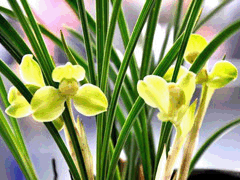 In summer, as temperatures rise and air humidity increases, all kinds of orchids and cymbidiums enter a period of vigorous growth. At this time, you must handle the following aspects well.
1. Shading: In summer,orchidsprefer to grow in cool, ventilated environments. After the start of summer, sunlight gradually intensifies. In the north,orchidsthat have just come out of the greenhouse can be placed under shady large trees or beside bamboo groves, or placed in a shade shed, receiving weak light in the morning and evening. To accelerate the growth of orchid shoots, they can be given one hour of weak light in the morning and evening. In late summer, shading must be strengthened even more to prevent heat and lower temperatures; water should be sprinkled frequently in the morning, at noon and in the evening, and theorchid-growingarea should be ventilated regularly.
2. Pest removal and sterilization: In the south, summer has bright sunshine and abundant rainfall, and the potting medium in orchid pots becomes acidic, making pest damage likely. Therefore, every 7 days, pesticide should be sprayed around the growing area and on the potted orchids to kill insects and sterilize.
3. Watering: In summer, once potted orchids lack water, they grow poorly. If using hard, well-draining potting media such as red brick granules, volcanic stone, pumice, or Emei Xiantu, water can be supplied once or twice a day; if using highly water-retentive media such as pond mud, soil sugar, leaf mold, or peat soil, water can be supplied once every two to three days, as long as a mist of water is sprayed on the leaf surfaces every morning, noon and evening. In short, as long as the potting medium of potted orchids remains 70 to 80 percent moist, it can meet their growth needs.
In the extreme heat season, watering should be done before sunrise in the early morning, or after the residual heat decreases in the evening. Orchid root rot, black spots on leaf surfaces, rot at the core of leaf shoots and other unhealthy conditions are mostly related to improper watering.
4. Fertilizing: Green-leaf varieties should be given fertilizers balanced in nitrogen, phosphorus and potassium, while variegated-leaf orchids should be given only phosphorus and potassium fertilizers. No matter what kind of organic fertilizer is used, it must be fully fermented and thoroughly decomposed, and diluted with clean water before use. Fertilizing should follow the principle of "light fertilizer, frequent application"; between the start of summer and Grain in Ear on the lunar calendar, apply liquid fertilizer once every 10 days, and do so on clear evenings. Within one or two hours after fertilizing, or early the next morning, water the potted orchids thoroughly with clean water to wash away residual fertilizer, so as to avoid fertilizer damage causing orchid roots to rot. Newly planted orchid plants, diseased orchid plants, and poorly growing old or weak orchid plants should never be given fertilizer within the root zone. During the hot summer period, when the temperature is above 30 degrees Celsius, stop fertilizing all kinds of orchids, and avoid fertilizing on rainy days as well.Four SeasonsOrchidFertilizing is also not suitable when the flower stalk emerges from the soil or during the flowering period.