Nonsense on the Management Methods and Technical Points of Flower Buds
Management of Nonsense Flower Buds
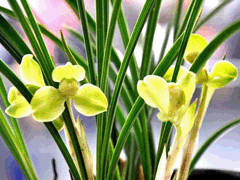 Yesterday I posted an article on nonsense autumn management. Today several orchid-growing friends asked me how flower buds should be managed. I remember that I seem to have written nonsense about flower bud care before, but I couldn't find it for the moment, so I'm just forcing myself to type away at the keyboard. Anyway, I'm used to talking nonsense, so let me talk nonsense once more. But I'll say this upfront: I'm talking nonsense, so don't take it seriously. The specifics need to be figured out by each orchid-growing friend themselves, because everyone's environment, seedling condition, potting medium and so on are different, and it can't be generalized.
Generally speaking, at a time like now, many flower buds have already emerged from the soil, and in a few more months we'll be able to appreciate the orchids and enjoy their fragrance. But if the management of the flower buds is not up to par, then I think whether we can really appreciate the orchids and enjoy their fragrance is truly uncertain. Fororchidsthe management of flower buds, I generally think the following points should be grasped:
1, Temperature and temperature difference. I think the key factors for flower bud development are temperature and the day-night temperature difference. If the ambient temperature of the orchid room is on the high side compared withorchid plants' normal growing environment, then I think even whetherorchid plantsthemselves can survive normally is questionable, let alone flower buds. Therefore, the ambient temperature of the orchid room should be suitable fororchid plantsgrowth and must not be too high. There is also the day-night temperature difference. Many orchid-growing friends in the south should have some experience of this; your orchid plants here relatively often abort their buds, and I personally think this is mainly due to the relatively high temperatures and the small day-night temperature difference.
2, Water management. Because after the flower buds emerge from the soil it is generally autumn, with less rainfall and relatively low air humidity, I generally ensure that the orchid plants in the pots have sufficient water, keeping the potting medium moist, and correspondingly increase the ambient air humidity. If the flower buds are about to open, then water should be controlled for petal-type flowers and the like, while for butterfly-type and other exotic flowers, generous watering should be used.
3, Control of light. Generally speaking, sufficient light is a major factor in growing strong orchid plants and nurturing flower buds. But for orchid plants that have flower buds, this is how I manage them. If they are color flowers and other petal-type flowers, butterfly flowers and the like, apart from a little shading at noon (at this time of year; after October there is no shading), they fully enjoy the sunlight the rest of the time. If they are plain-hearted, green flowers and the like, then they see relatively less light.
4, Still strengthen ventilation and preventpests and diseases. If orchid buds encounterpests and diseases, it gets troublesome, sopests and diseases。
5, For flower buds that grow slanted or crooked, they can generally be corrected after they first emerge from the soil. I generally use a small string to suspend the flower bud and use a physical method to correct the direction of growth, or use a black paper tube (with the top left open for light) and make use of the plant's phototropism to correct it.
6, Appropriate additional fertilizing. For orchid plants with flower buds, appropriately apply a light phosphorus-potassium fertilizer to supplement nutrients and lay the foundation for the orchid plants to produce good blooms.
7, When watering and fertilizing, try not to splash water and fertilizer on the flower buds, to prevent fertilizer and water damage.
8, I invite otherorchid-growingexperts to add to this. Thank you.