Rational pesticide use methods and precautions for crops
Rational pesticide use
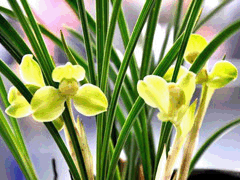 Fungicides are agents for preventing and controlling crop diseases. In our usual prevention and control oforchidsdiseases, we should choose according to the different properties and modes of action of different categories of fungicides. One category is protective fungicides, whose function is to treat plants or the environment in which plants grow before pathogens invade. They need to be used before plants come into contact with pathogens or before disease occurs to be effective, such as Bordeaux mixture, lime sulfur mixture, mancozeb, zineb, etc.
There is also a category of therapeutic fungicides, which we often encounter. Their characteristic is that they are systemic. These fungicides are used when pathogens have already invaded the plant body or the plant is already infected, and at this time they are applied to reduce or eliminate plant diseases. Applying them in the early stage of plant disease gives better results.
The initial and peak stages of disease caused by various pathogens also differ, and are greatly influenced by the external environment, especially the growth and development status of the infected crop and temperature and humidity (therefore, we should grow strong orchid seedlings). When preventing and controlling diseases, it is better if everyone can be familiar with the living habits and epidemic patterns of the pathogenic pathogens. Disease prevention and control can be carried out according to different seasons and temperature environments, which plays a huge role in the effective exertion of pesticide efficacy. Crop diseases caused by various pathogens are different, and the disease symptoms are also obviously different. Therefore, when choosing fungicides, the right medicine should be used for the disease. Moreover, the efficacy should be significant and lasting. We should not blindly pursue high efficiency, broad spectrum, or even "universal" pesticides, as if no matter what the disease is, we treat it with only one pesticide. This is definitely not acceptable. When using pesticides, attention should be paid to preventing the development of pathogen resistance, that is, the same fungicide should not be used continuously, nor should the same type of fungicide be used continuously several times in one growing season. Especially for systemic agents, the number of uses should be limited. For example, in production, systemic agents can be applied in combination or rotation with chlorothalonil, mancozeb, etc.
In our daily pesticide use, we should adopt corresponding prevention and control measures according to the patterns of pathogen infection. When using fungicides to spray orchid plants directly, attention should be paid to the influence of natural conditions to prevent loss of efficacy or pesticide damage. When temperature and humidity are relatively high, the concentration of the pesticide used can be appropriately reduced; for pesticides that easily decompose or volatilize under strong light, application should be carried out on cloudy days or in the evening.
Different pesticides all have a certain scope of use. Only by understanding them deeply and mastering their use characteristics can we correctly select pesticides and achieve twice the result with half the effort. Carbendazim is a systemic fungicide commonly used by everyone. It can prevent and control dozens of fungal diseases. Ascomycetes and deuteromycetes are especially sensitive to this pesticide, but it is ineffective against diseases caused by bacteria and oomycetes among fungi. Therefore, when it is confirmed that a plant is infected with a fungal disease and repeated use of carbendazim is ineffective, consideration should be given to switching to phenylamide pesticides (such as metalaxyl). This type of pesticide is mainly used for downy mildew, phytophthora disease, and pythium disease caused by oomycetes, while its effect on diseases caused by other fungi and bacteria is very poor.
Chlorothalonil is a non-systemic broad-spectrum fungicide. It has a preventive effect on many plant fungal diseases. It can prevent pathogen spores from germinating, hinder mycelial development and spore formation, and can also prevent and control diseases that have developed resistance to carbendazim, but its control effect on diseases caused by soilborne Pythium is poor.
Therefore, frequently change fungicides (Huakang is said to be able to kill all diseases; I do not know whether it is true or false. When I use it, I do not dare to be careless and still mix it with other fungicides) to strive for the greatest possible protection of orchid plants and keep them from being tormented by diseases. When orchids grow healthily, orchid enthusiasts are also happy.