How to grow white magnolia (Michelia alba)? Detailed guide to home cultivation and care
Cultivation and care of white magnolia (Michelia alba)_Home flower growing
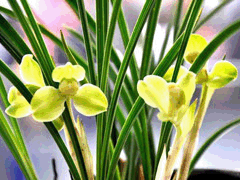 White magnolia, also known as white jade orchid, Ba'er orchid, or Burmese osmanthus, is an evergreen tree of the genus Michelia in the Magnoliaceae family. Its roots are fleshy and rich in water. The trunk is grayish-white, sparsely branched, with young branches light green and covered with white glossy hairs. The leaf surface is smooth and glossy, the underside is tea-green, and the lateral veins are prominent. The leaves are simple, alternate, long-elliptical, 15-22 cm long, light green, leathery, and glossy. The flowers are solitary in the leaf axils, with short stalks, 12 petals, and white. White magnolia begins blooming in late May, with a rich fragrance. It is a famous fragrant flower tree species. Besides being used for ornament and wearing as decoration, it is also an important raw material for scenting flower tea and extracting essence. It is also a Chinese herbal medicine that can promote the flow of qi and resolve turbidity, and relieve cough. It mainly treats prostatitis, women's leukorrhea, pediatric bronchitis, and chronic cough from consumptive disease.
A related species of white magnolia is yellow magnolia, also called yellow Burmese osmanthus, which is orange-yellow, with a sweet, moist fragrance resembling osmanthus, and is even more fragrant and rich than white magnolia! Its flowering period is a bit later than that of white magnolia. Banana shrub has smaller flowers than white magnolia, yellow-white, solitary in the leaf axils, with a banana-like fragrance. White magnolia is a fleshy-rooted plant that likes light and fears coal smoke; it tolerates neither wet conditions nor drought. It is suitable for growing in sandy soil rich in humus, slightly acidic, and well-drained. It also requires sufficient sunlight and air circulation. Potted white magnolia must have good drainage, otherwise its fleshy roots are prone to rot. The flowering period opens successively from May to October. In full bloom, the fragrance spreads all around, making it delightful. To make whitemagnoliagrow robustly. With many flowers and fragrant scent, duringcultivationefforts should be made to create conditions that meet the requirements of its ecological habits. Whitemagnolialikes sunlight and does not tolerate shade; it requires sufficient light. If placed in a shaded spot with insufficient light for cultivation, it will cause leggy growth of branches and leaves, with long branches and thin leaves, sparse flowers and weak fragrance, or no flowering at all.
In northern regionscultivation, if exposed to strong sunlight in hot summer, plant growth will also be inhibited, and the edges of young leaves are prone to curling and yellowing symptoms. Whitemagnoliais sensitive to water; it likes high air humidity and soil that is moist but not wet. When soil moisture is excessive and permeability is poor, root rot and yellow leaves will occur, and in severe cases it leads to leaf drop and death. It is suitable for acidic sandy loam rich in humus and with good drainage and aeration. If planted in alkaline soil or poorly drained soil, growth will stop and it may even die.
For potted white magnolia in the north, a culture soil can be made by mixing equal amounts of leaf mold or peat soil and sandy loam, plus a small amount of bone meal as base fertilizer. Starting in early May, apply a thin cake fertilizer water or alum fertilizer water once every 7—10 days (preferably alternating the two). Before flowering, apply 1-2 additional applications of quick-acting phosphorus fertilizer, so that white magnolia can keep giving off fragrance continuously. Stop fertilizing after the end of September. The amount of watering depends on the plant's growth condition and the weather. Generally, watering in spring should not be too much, just enough to keep the potting soil slightly moist;
In summer, the temperature is high, evaporation is fast, and it is also the peak flowering period, so watering needs to be sufficient; in autumn, watering should be slightly more than in spring, because by then the pot is full of roots, there is little potting soil, and water-holding capacity is low, but the amount of water each time should not be too much; it is best to water until the pot is full. During the growth period, avoid water shortage, otherwise it easily causes dry and withered leaf edges. In late autumn, as the weather gradually turns cool, the frequency of watering should gradually decrease. In the rainy season, accumulated water in the pot must be drained promptly, otherwise it easily causes root rot and yellow leaves. After each fertilization and watering, loosen the soil promptly to keep the potting soil well aerated.