What are the methods to promote sprouting? You need to master these few methods
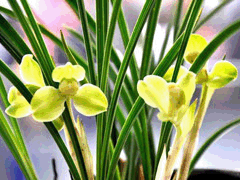 A few methods to promote sprouting!
Start of Spring has arrived, and the temperature in the south already gives the feeling of a willow breeze blowing on the face without chill!
When the temperature is high, the bud points have already begun to stir.
If you want more sprouts and earlier sprouts, you can take the following measures in advance.
1, Wet cultivation: watering heavily and soaking thoroughly can fully exchange the air in the orchid pot, which is beneficial to the growth of bud points and new roots. The dormant bud points will develop better in a moist state.
2, N fertilizer: N fertilizer is beneficial to the germination of bud points, but it must be well matched with K so that the new sprouts will not be too weak.
3, Strong light: Strong light can make the orchid plant's photosynthesis vigorous and its metabolism full. But pay attention to matching it with fertilizer, so as to avoid excessive metabolism causing the leaves to yellow prematurely.
4, Supplement vitamin B1: The plant itself secretes vitamin B1, mainly distributed in the plant's growing points (such as bud points, root tips, etc.). Conversely, supplementing vitamin B1 is also a nutritional supplement for the orchid plant. In addition, vitamin B1 is an indispensable nutrient for the reproduction of beneficial bacteria. Most beneficial bacteria cannot secrete it or do not secrete enough, and need to obtain it from symbiotic plants. Supplementing vitamin B1 can promote the flourishing of the bacterial community!
5, Supplementation of organic foliar fertilizer: Some old plants have poor roots when divided, and their ability to obtain nutrients is relatively weak. Under conditions of sufficient light, and because of vigorous metabolism, they very easily decline prematurely. Supplementation of organic foliar fertilizer can prolong their life. The reasons are as follows: First, organic fertilizer is mainly N fertilizer, with comprehensive and highly efficient trace elements. One of the main processes of plant aging is the decomposition of protein, and an appropriate amount of N supplementation can slow this process. Second, during fermentation, vitamins produce many auxins (such as indoleacetic acid, gibberellin, etc.), whichorchidshave a stimulating effect on growth. Moreover, the amount is small, highly efficient, safe, and free of side effects.
6, Use plant growth regulators in appropriate amounts. (Interested orchid growers can try them.) The rational use of gibberellin and cytokinin can produce very good results. It can also prompt the plant to turn green again earlier.
Note: Entering the twenty-first century, the rational and efficient use of plant growth regulators, pesticides, and chemical fertilizers has enabled agricultural production to achieve its most brilliant accomplishments. In order for orchids to become ornamental flowers, break through the price bottleneck, and enter thousands of households, plant growth regulators and tissue culture technology will ultimately play a key role!