White Dew solar term arrives, field fertilization is timely
] "White Dew" has arrived, have you fertilized?
 ] "White Dew" has arrived, have you fertilized?
Today is White Dew, have you fertilized? Dew is formed by water vapor condensing on the ground or on nearby objects due to falling temperatures. Therefore, White Dew actually indicates that the weather has already turned cool.
Among the climates of the twenty-four solar terms, White Dew has the obvious characteristics of rapidly dropping temperatures, the beginning of continuous rain, and a sharp decrease in sunshine, profoundly reflecting the seasonal transition from summer to autumn. During White Dew, the average temperature in the Jiangsu, Zhejiang and Fujian regions is about 3°C lower than during End of Heat, and in most areas the 5-day average temperature successively drops below 22°C. According to the climatological divisionfour seasonsstandard, from today the sequence begins to enter true autumn.
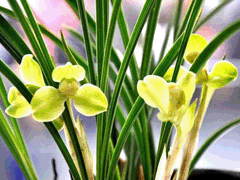
During White Dew, sunshine decreases by about half compared with End of Heat, and the declining trend continues until winter. So from today on,orchidsare no longer afraid of the sun, so seize the opportunity to letorchidsbathe in sunlight. Except in areas with rain today, all can be given a light fertilizer root drench, watered the next day, and at the same time given more than a week of continuous light. This is beneficial for drought resistance and safe overwintering, and also helps the emerging flower buds swell and grow fully! In areas where White Dew brings rain, there may be continuous overcast and rainy weather, especially in South China. At this time, attention should be paid to ventilation to protect autumn seedlings and flower buds from low-temperature insect pests!
After the White Dew solar term, it is also a good opportunity to strengthen the disinfection and sterilization of the site and planting pots, which can be done together with fertilization. In this year'sorchidslast growing season, do not miss the opportunity to strengthen orchid fertilizer and water, sterilization and disinfection management, to ensure safe overwintering, which is of great benefit to the flowering and seedling emergence of orchids and cymbidiums next year.