Detailed explanation of key points for orchid management in the high-temperature season
Rambling about orchid management in the high-temperature season
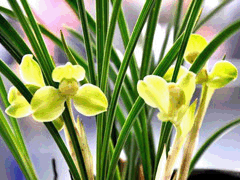 Rambling about orchid management in the high-temperature season
The weather is getting hotter and hotter now. For a few days, my orchid house was already over 30 degrees at noon, which made me extra careful in looking after the orchids, because the hot and humid season is the peak period for orchid diseases. Now I will ramble again with fellow orchid friends about orchid management in the high-temperature season.
1. Pay more attention to ventilation.
This seems to be a topic that other orchid friends and I are all talking about, because with good ventilation, the temperature in the orchid house is correspondingly a bit lower. Especially right after watering, it can quickly dry the accumulated water in the center of new growths to prevent rot in the heart. But ventilation does not only include ventilation of the orchid-growing environment; the orchid potting medium also needs ventilation and air permeability, because if the medium has poor air permeability, it easily smothers orchid roots, thereby breeding bacteria. In mild cases, orchid buds have scorched tips and orchid leaves rot at the ends; in severe cases, seedlings collapse, bringing unnecessary losses. Therefore, when potting, we must mix the medium well and try to achieve good water absorption, fast drainage, and good air permeability.
2. Still talking about water.
Watering orchids should be adapted to the time, to the orchid, and to differences in medium and pots. Do not water uniformly or give a uniform amount. Especially at noon, watering is most taboo. Do not think that because the weather is hot, more water should be added. Try to water only after the surface of the potting medium in the orchid pot has dried, and then wait another day or longer before watering. If the weather is stuffy and hot, such as during the plum rain period in Jiangnan, carry out appropriate withholding of water to control the growth of harmful bacteria in the pot and improve the stress resistance of the orchid plants.
3. About fertilizer
I am an orchid grower who basically does not use fertilizer, so I do not advocate using fertilizer, especially in the high-temperature summer season. Because I feel that if fertilizer-containing solution splashes onto orchids, especially small buds, the probability of disease occurring is several hundred times greater than if clear water splashes onto orchids.
4. Pay attention to light.
The growth of all things depends on the sun, but too much is also not good. Especially if summer sunlight shines too much, it easily causes scorched tips and even shrinkage in orchids. Therefore, orchids should be given an appropriately shaded environment.
5. Avoid repotting and introducing new plants.
I think everyone basically knows the reasons. If you really like a certain variety, it is recommended to leave it in the seller's care first. Wait until the weather cools down, then take it home to grow. If by any chance the orchid shows severe symptoms, then it is still recommended to tip out the pot, divide the plants, and preserve the variety.
6. Prevent rainstorm soaking.
If orchids are soaked by a rainstorm in summer, please immediately use clear water to rinse the orchid pots several times to remove stuffiness. If orchid mud splashes onto the center leaves of the orchids, it should also be removed to prevent the occurrence of brown rot. Therefore, orchids should be placed where rain cannot reach them.
I cannot think of anything else for now. Please let other orchid experts add more. New Orchid hereby thanks you.