Orchid pests and diseases: diagnose by looking at the pictures, part two, teaching you targeted prevention and treatment
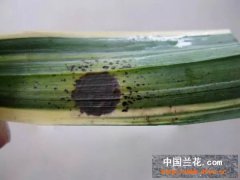
Image 1: Anthracnose
As shown in the picture, there is still a yellow halo around the diseased area, indicating that the condition has not yet been brought under control. If it is not dealt with quickly, the disease will spread throughout the entire orchid house.Orchid。
Routine preventive treatments for anthracnose:
Pesticide name: 50% Shibaogong wettable powder; Mode of action: broad-spectrum fungicide; How to use: 2000 times dilution / 2-3 applications / 8-day interval, spray / undersides of leaves, upper leaf surfaces; Also prevents: anthracnose, leaf spot, sooty mold, black spot, round spot, ring spot;
Pesticide name: 25% Shibaoke emulsifiable concentrate; Mode of action: broad-spectrum fungicide; How to use: 1500 times dilution / 2-3 applications / 8-day interval, spray / undersides of leaves, upper leaf surfaces; Also prevents: anthracnose, leaf spot, sooty mold, black spot, round spot, ring spot;
Pesticide name: 80% mancozeb wettable powder; Mode of action: broad-spectrum protective fungicide; How to use: 800 times dilution / 3-4 applications / 6-day interval, spray / undersides of leaves, upper leaf surfaces; Also prevents: anthracnose, leaf spot, sooty mold, black spot, round spot, ring spot;
Pesticide name: 77% Keshade wettable powder; Mode of action: broad-spectrum protective fungicide; How to use: 1000 times dilution / 3-4 applications / 7-day interval, spray / undersides of leaves, upper leaf surfaces; Also prevents: brown spot, anthracnose, leaf spot, ring spot, bacterial brown spot;
Curative treatments and handling work for anthracnose:
1. Explanation of Image 1: The picture shows a condition that has not been brought under control. Use a toothpick to poke several holes in the wound, then dip a brush in fungicide and apply it evenly on both the front and back. This can completely control the spread and recurrence of the disease at a single point, 100% effective.
2. Anthracnose is a condition caused by fungal hyphae. As shown in the picture, it produces various different shapes of disease spots. When severe, it spreads faster than iron-spot disease. It is mainly caused by poor ventilation, and high humidity makes plants most susceptible.
3. Treatment for a single disease spot: Mix Bittersweet "aqueous emulsion" with dimethomorph "powder" directly into a paste consistency, used to treat a single disease spot directly.
Image 2: Anthracnose + ring spot
Routine preventive treatments for anthracnose + ring spot:
Pesticide name: 77% Keshade wettable powder;
Mode of action: broad-spectrum protective fungicide;
How to use: 1000 times dilution / 3-4 applications / 7-day interval, spray / undersides of leaves, upper leaf surfaces; Also prevents: brown spot, anthracnose, leaf spot, ring spot, bacterial brown spot;
Pesticide name: 25% Shibaoke emulsifiable concentrate; Mode of action: broad-spectrum fungicide; How to use: 1500 times dilution / 2-3 applications / 8-day interval, spray / undersides of leaves, upper leaf surfaces; Also prevents: anthracnose, leaf spot, sooty mold, black spot, round spot, ring spot;
Pesticide name: 50% Shibaogong wettable powder; Mode of action: broad-spectrum fungicide; How to use: 2000 times dilution / 2-3 applications / 8-day interval, spray / undersides of leaves, upper leaf surfaces; Also prevents: anthracnose, leaf spot, sooty mold, black spot, round spot, ring spot;
Pesticide name: 80% mancozeb wettable powder; Mode of action: broad-spectrum protective fungicide; How to use: 800 times dilution / 3-4 applications / 6-day interval, spray / undersides of leaves, upper leaf surfaces; Also prevents: anthracnose, leaf spot, sooty mold, black spot, round spot, ring spot;
Additional notes on anthracnose + ring spot:
1. Cross-infection of anthracnose and ring spot is relatively difficult to control. It is recommended to use Bittersweet at 1500 times dilution mixed with mancozeb at 1000 times dilution and spray the undersides and upper surfaces of the leaves.
2. When using mancozeb-type organic copper or inorganic copper products, or emulsifiable concentrates with a content exceeding 20%, do not use them on days when the temperature exceeds 29°C. If you must use them, halve the dosage;
3. In spring, you can apply fungicide at any time; in summer, apply after dusk; in autumn, you can apply at any time; in winter, apply in the morning when there is faint sunlight;
Image 3: Anthracnose + physiological water shortage
Routine preventive treatments for anthracnose + physiological water shortage:
Pesticide name: 25% propiconazole emulsifiable concentrate; Mode of action: broad-spectrum systemic fungicide; How to use: 1500 times dilution / 2-3 applications / 8-day interval, spray / undersides of leaves, upper leaf surfaces; Also prevents: brown spot, round spot, anthracnose, leaf spot, leaf tip blight;
Pesticide name: 10% Shigao water-dispersible granules; Mode of action: broad-spectrum systemic fungicide; How to use: 3000 times dilution / 2-3 applications / 8-day interval, spray / undersides of leaves, upper leaf surfaces; Also prevents: brown spot, leaf spot, black spot, round spot, leaf blight, ring spot, leaf tip blight, sooty mold;
Additional notes on anthracnose + physiological water shortage: As long as you take the time to understand orchids and understand the characteristics of pesticides, our management work becomes as easy as turning over your hand. Anthracnose is no longer a key management task for our orchid nursery. In our routine fungicide work for preventing stem rot, we always mix in preventive fungicides for soft rot, leaf spot, anthracnose and so on at the same time. This way, we can take care of many kinds of preventive work at once.
2. Physiological water shortage is generally caused by dry air. Especially in inland-type climates, artificial supplementation of air humidity is necessary.
3. Another key cause of physiological water shortage is root damage. In daily fertilizing and spraying, you must pay attention to concentration, because the orchid pots we currently use do not allow us to clearly see the reaction of the orchid roots at a glance. By the time the orchid leaves show a reaction, it is already too late to save them.
4. An old sayingTo grow orchidsfirst grow the roots. Orchidflowers'dryness and moisture rely on experience to control watering. Watering is the key work in growingflowers.The principles are to water thoroughly and provide ventilation. It is recommended that beginner orchid growers use coarse material to grow flowers, as it is safer.
Image 4: Anthracnose + round spot
Routine preventive treatments for anthracnose + round spot:
Pesticide name: 40% Baikeduo wettable powder; Mode of action: broad-spectrum fungicide; How to use: 1500 times dilution / 2-3 applications / 8-day interval, spray / undersides of leaves, upper leaf surfaces; Also prevents: brown spot, leaf spot, black spot, round spot, leaf blight, ring spot, leaf tip blight, sooty mold;
Pesticide name: 25% Shibaoke emulsifiable concentrate; Mode of action: broad-spectrum fungicide; How to use: 1500 times dilution / 2-3 applications / 8-day interval, spray / undersides of leaves, upper leaf surfaces; Also prevents: anthracnose, leaf spot, sooty mold, black spot, round spot, ring spot;
Pesticide name: 50% Shibaogong wettable powder; Mode of action: broad-spectrum fungicide; How to use: 2000 times dilution / 2-3 applications / 8-day interval, spray / undersides of leaves, upper leaf surfaces; Also prevents: anthracnose, leaf spot, sooty mold, black spot, round spot, ring spot
Additional notes on anthracnose + round spot: With the various fungicides introduced above, I hope you will alternate and rotate them properly. That is already enough to prevent and treat these minor diseases.
Image 5: Leaf spot
Routine preventive treatments for leaf spot:
Pesticide name: 40% Baikeduo wettable powder; Mode of action: broad-spectrum fungicide; How to use: 1500 times dilution / 2-3 applications / 8-day interval, spray / undersides of leaves, upper leaf surfaces; Also prevents: brown spot, leaf spot, black spot, round spot, leaf blight, ring spot, leaf tip blight, sooty mold;
Pesticide name: 50% Shibaogong wettable powder; Mode of action: broad-spectrum fungicide; How to use: 2000 times dilution / 2-3 applications / 8-day interval, spray / undersides of leaves, upper leaf surfaces; Also prevents: anthracnose, leaf spot, sooty mold, black spot, round spot, ring spot;
Pesticide name: 80% mancozeb wettable powder; Mode of action: broad-spectrum protective fungicide; How to use: 800 times dilution / 3-4 applications / 6-day interval, spray / undersides of leaves, upper leaf surfaces; Also prevents: anthracnose, leaf spot, sooty mold, black spot, round spot, ring spot;
Pesticide name: 77% Keshade wettable powder; Mode of action: broad-spectrum protective fungicide; How to use: 1000 times dilution / 3-4 applications / 7-day interval, spray / undersides of leaves, upper leaf surfaces; Also prevents: brown spot, anthracnose, leaf spot, ring spot, bacterial brown spot;
Additional notes on leaf spot: As long as you take the time to understand orchids and understand the characteristics of pesticides, our management work becomes as easy as turning over your hand. Leaf spot is no longer a key management task for our orchid nursery. In our routine fungicide work for preventing stem rot, we always mix in preventive fungicides for soft rot, round spot, anthracnose and so on at the same time. This way, we can take care of many kinds of preventive work at once.
Image 6: Leaf tip blight
Routine preventive treatments for leaf tip blight
Pesticide name: 40% Baikeduo wettable powder; Mode of action: broad-spectrum fungicide; How to use: 1500 times dilution / 2-3 applications / 8-day interval, spray / undersides of leaves, upper leaf surfaces; Also prevents: brown spot, leaf spot, black spot, round spot, leaf blight, ring spot, leaf tip blight, sooty mold;
Pesticide name: 25% propiconazole emulsifiable concentrate; Mode of action: broad-spectrum systemic fungicide; How to use: 1500 times dilution / 2-3 applications / 8-day interval, spray / undersides of leaves, upper leaf surfaces; Also prevents: brown spot, round spot, anthracnose, leaf spot, leaf tip blight;
Pesticide name: 10% Shigao water-dispersible granules; Mode of action: broad-spectrum systemic fungicide; How to use: 3000 times dilution / 2-3 applications / 8-day interval, spray / undersides of leaves, upper leaf surfaces; Also prevents: brown spot, leaf spot, black spot, round spot, leaf blight, ring spot, leaf tip blight, sooty mold;
Curative treatments and handling work for leaf tip blight: Leaf tip blight is a combined condition of two diseases. Dry and withered leaf tips are caused by physiological water shortage, and the physiological water shortage is caused by halted root growth, root rot, poor ventilation… and so on. Generally, once you understand the situation, you can carry out targeted fungicide treatment.
The other condition is leaf blight spot, which is relatively simple to prevent and treat. Please use the fungicides introduced above in rotation.