Organic and eco-friendly farming exceeds 16,500 hectares; this one cooperative alone contributes nearly 150 hectares
Organic agriculture benefits environmental sustainability and is also an important production method for safe food. Since the "New Agriculture Innovation Promotion Program" in 2016, the Council of Agriculture set a target of 15,000 hectares of organic and eco-friendly farming area in Taiwan, China by 2020, with a growth target of 10%, or 1,500 hectares, each year thereafter.
Organic agriculture benefits environmental sustainability and is also an important production method for safe food. Since the "New Agriculture Innovation Promotion Program" in 2016, the Council of Agriculture set a target of 15,000 hectares of organic and eco-friendly farming area in Taiwan, China by 2020, with a growth target of 10%, or 1,500 hectares, each year thereafter. This year's target of 16,500 hectares has already been reached ahead of schedule. As of the end of July, the organic and eco-friendly farming area in Taiwan, China had reached 16,571 hectares, accounting for 2.09% of the country's agricultural cultivated land.
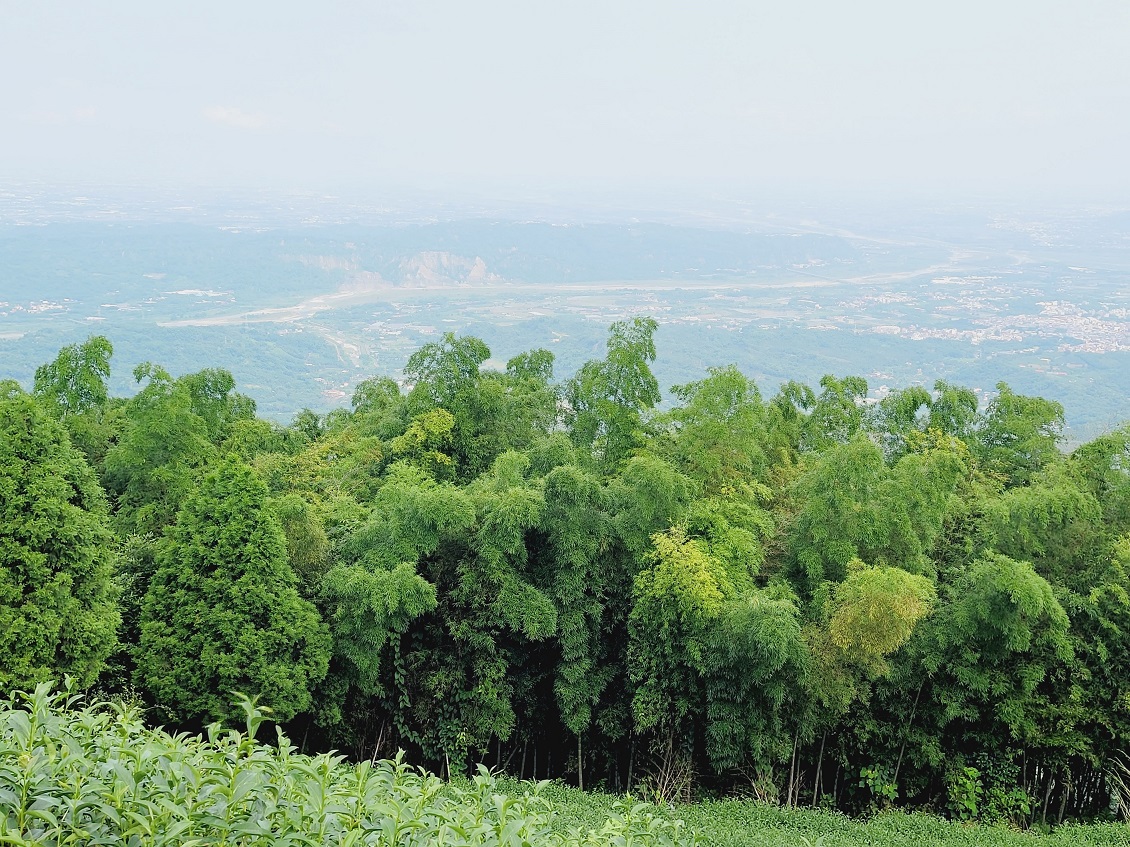
The Agriculture and Food Agency of Taiwan, China estimates that 16,571 hectares of organic and eco-friendly farmland can help reduce the use of more than 200 metric tons of chemical pesticides and 20,000 metric tons of chemical fertilizers, and reduce agricultural greenhouse gas emissions by 6,142 metric tons of carbon dioxide equivalent, contributing to the sustainable management of the Earth. The "Limited Liability Dinglin Forestry Production Cooperative in Zhushan Township, Nantou County," which has just passed organic certification, has a certified area of 144.37 hectares and is the largest contributor to the current target.
⟦NL>
Dinglin Forestry Production Cooperative was established in 1948 and mainly engages in the production of fresh bamboo shoots and processed agricultural products such as soy sauce bamboo shoots, crisp bamboo shoots, and shredded bamboo shoots, as well as bamboo material utilization and processing. In cooperation with the local government's policy to promote organic and eco-friendly farming, it has guided member farmers to transition to the production of organic bamboo shoots and their processed products, becoming the largest production unit and production area for organic bamboo shoots in the country. Lai Mingyang, Section Chief of Organic Agriculture at the Agriculture and Food Agency, said that the cooperative is located in the mountains and has shifted to organic farming to produce safe and healthy organic bamboo shoots while also taking into account soil and water conservation on sloping land, making it a rare model case.
In promoting organic and eco-friendly farming, the Council of Agriculture continues to support farmers in engaging in organic agriculture through policies such as subsidies for organic (transition period) certification and inspection fees and encouraging the use of organic ingredients in school lunches. After the passage of the "Organic Agriculture Promotion Act," in addition to the originally promoted agriculture and food industry, it has expanded to forestry, fisheries, animal husbandry, and other industries, which are interrelated and mutually driving. For example, promoting organic fisheries and livestock production can drive the production of organic corn, soybeans, and forage grass needed as organic feed sources; encouraging organic management of forest land or under-forest economy can expand organic area and implement forest protection and ecological conservation, helping to establish the completeness of the organic industry.