Experts urge rice farmers to switch to organic farming: helps make land sustainable and prevents lodging disaster losses
As extreme climate becomes increasingly severe, the first rice crop harvest period every June often encounters days of torrential rain, causing rice ears to turn green-yellow, lodge and sprout, and farmers rushing to harvest green-cut rice, resulting in agricultural losses; the government must allocate funds to purchase the disaster-affected rice. Liu, head of the Department of Agriculture at Mingdao University
As extreme climate becomes increasingly severe, the first rice crop harvest period every June often encounters days of torrential rain, causing rice ears to turn green-yellow, lodge and sprout, and farmers rushing to harvest green-cut rice, resulting in agricultural losses; the government must allocate funds to purchase the disaster-affected rice. Liu Chengwei, head of the Department of Agriculture at Mingdao University, using 15 years of scientific data on organic rice cultivation accumulated by the university's organic farm, calls on farmers to transition to organic rice farming models, which can both recharge groundwater layers and reduce losses from lodging and green-cut rush harvesting, align with future consumer market trends, and further protect the environment for sustainable land management.
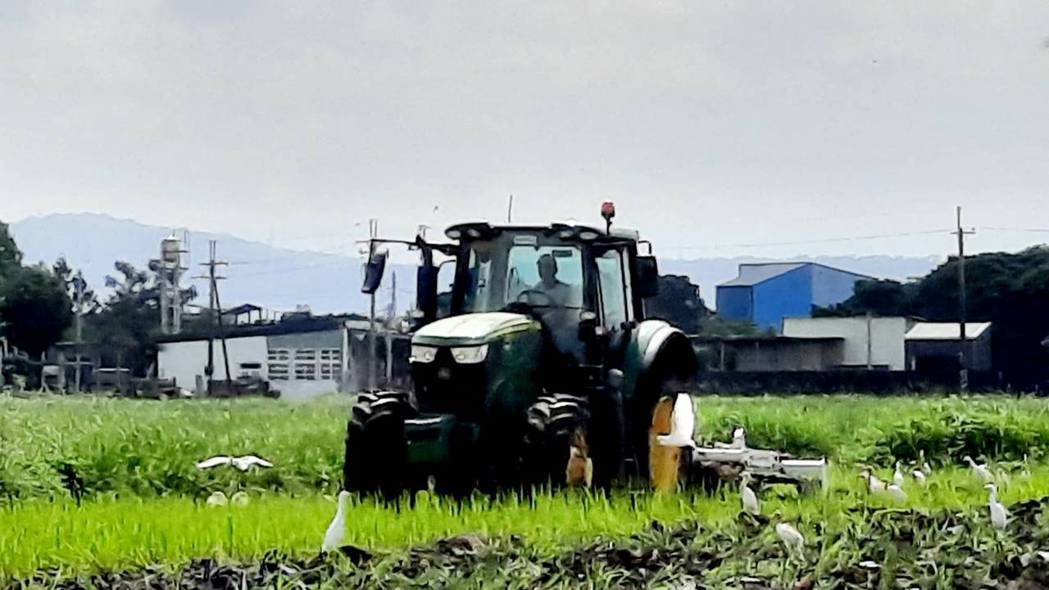
In response to the recent problems of green-cut rush harvesting and lodging losses caused by torrential rain during the rice harvest period, Liu Chengwei, head of the Department of Agriculture at Mingdao University, proposed a solution based on scientific data, calling on rice farmers using conventional farming methods to transition to organic rice cultivation.
Liu Chengwei said that extreme climate has become an unavoidable major challenge for agricultural production; for example, this year's drought was followed closely by torrential rain, causing huge agricultural losses to the production of rice, vegetables, fruits, flowers and other agricultural products. Rice is the best cultivation model for replenishing groundwater layers. Changhua is the largest rice-producing region in the country, and in recent weeks of torrential rain, many rice fields have suffered losses from lodging or rush green-cutting. The university's organic farm has accumulated 15 years of technical data on organic rice cultivation and management. From scientific data analysis, organic rice uses slow-release organic fertilizers; the effect of nitrogen fertilizer is not as fast-acting as in conventional farming, but at the heading stage it can prevent top-heavy rice ears from being unable to withstand torrential rain and wind disasters and causing lodging losses. In addition, by selecting varieties resistant to disease, resistant to insects and not prone to lodging, and using organic agriculture farming management methods, it can indeed achieve a protective effect on the environment, and environmental sustainability is the cornerstone that allows agriculture to continue developing.
Taiwan's paddy fields have long used chemical fertilizers and chemical pesticides, leading to salinization and deterioration of farmland soil, pollution of groundwater sources and the environment, and impacts on natural ecology; the application and residues of pesticides also harm the health of farmers and consumers. Therefore, the Council of Agriculture began promoting environmentally friendly agriculture policy in ROC year 105, encouraging farmers to transition to organic farming methods that do not spray chemical pesticides, do not apply chemical fertilizers, and do not use genetically modified crops.
Liu Chengwei said that the government provides ecological conservation incentives and organic agricultural production subsidies for transitioning to organic farming, with rice and vegetables subsidized at 60,000 yuan per hectare per year, and other crops subsidized at 80,000 yuan per hectare per year. The Council of Agriculture also subsidizes part of the cost of purchasing agricultural machinery and tools. New agricultural machinery is mostly designed with the concept of environmental friendliness. For example, the plough and harrow tractor currently used on the university's organic farm has a power source of 155 horsepower. This new type of plough and harrow saves more fuel costs and consumables than traditional rotary tillers, is less harmful, and is friendlier to soil and environmental ecology. It also has a deep-ploughing function, which can improve soil permeability and aeration after heavy compaction and continuous cropping, and increase groundwater recharge efficiency.
Organic rice is increasingly valued; farmers can rely on government subsidies to convert to environmentally friendly cultivation models
Liu Chengwei stated that economic development has driven income growth, people's dietary habits have shifted toward pursuing refinement, rice consumption is gradually decreasing, but attention to the quality of rice and the health and safety of rice foods is increasing. Organic rice, which advocates safety, health and no pesticides, is increasingly favored by consumers and is bound to become the mainstream of the rice consumer market. Farmers can use government subsidies for organic farming to gradually convert from conventional methods to cultivation models that do not damage ecology or pollute the environment, abide by the principle of sustainable cyclical use of natural resources, and use environmentally friendly organic farming to maintain the living environment.
Student Zeng Yuyou said that the rice variety selected for planting on the university's organic farm is Tainan No. 11, which has excellent rice quality and good flavor and is suitable for bento rice and sushi rice. Tainan No. 11 has the advantages of high yield, resistance to pests and diseases, resistance to lodging and a low threshing rate. It is the variety with the largest planting area in Taiwan and is Taiwan's pride exported to Japan. Students in the university's agricultural publicly funded class have also formed a young farmer ploughing assistance team, using the university's combine harvesters, tractors and other large agricultural machinery to assist nearby farmers with farming and harvesting free of charge, contributing to local agriculture, and they also hope all sectors can support environmentally friendly organic farming agricultural products.