Global tea production will plummet, latest report says warming is to blame
A latest research report released on the 10th by the UK charity Christian Aid points out that if global warming intensifies, tea plantations around the world will be severely impacted, and tea production may plummet over the coming decades; for example, the area of land in Kenya suitable for growing tea will within 30 years
A latest research report released on the 10th by the UK charity “Christian Aid” points out that if global warming intensifies, tea plantations around the world will be severely impacted, and tea production may plummet over the coming decades; for example, the area of land in Kenya suitable for growing tea will decrease by more than 25% within 30 years, and the flavor of tea will also be affected.
The report released on the 10th by Christian Aid points out that if global warming continues at its current rate and the climate crisis intensifies, extreme weather such as floods, droughts, heatwaves and storms could severely impact tea-growing regions around the world, and tea production may plummet over the coming decades.
For example, by 2050, the most ideal area of land in Kenya suitable for growing tea will decrease by more than 25%, and the moderately ideal area of land suitable for growing tea will decrease by 39%. Tea drinkers may also find by then that the flavor of tea has changed: the effects of floods and increased rainfall in tea-growing areas will alter the flavor of tea and may also reduce its health benefits.
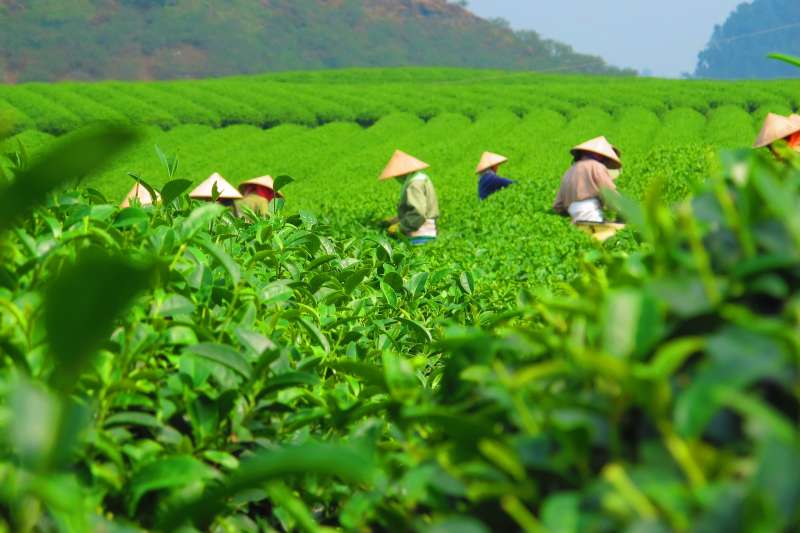
The report points out that tea-growing areas in India, China and Sri Lanka may also be affected. Tea plantations are major employers in many regions; in Africa alone, more than 3 million people work on tea plantations. However, tea farmers interviewed in the study say that many young people are looking for work outside the tea plantations, and these tea farmers are worried about the future.
Kericho town in western Kenya is famous for growing tea. Local 72-year-old tea farmer Richard Koskei says: “Our family has grown tea diligently on the plantation for generations. The tea grown here is the best tea in the world, and we are proud of that. However, climate change poses a real threat to us. We can no longer predict the seasons; temperatures are rising, rainfall is more irregular, and more commonly it comes with unusual hail and longer droughts. It was not like this in the past.”