Behind the Success of Organic Tea: A Tea Farmer Risked Everything for 8 Years to Protect the Blue Magpie
Reported by the Tea Knowledge website. The annual output value of Taiwan's tea industry is nearly 10 billion, and many operators are selling tea like crazy, but one man sold so much that he had only 30 yuan left in his savings. He is Huang Bojun, founder of an organic tea brand. Because he hoped tea farmers would adopt pesticide-free farming to conserve the local ecology
Reported by the Tea Knowledge website. The annual output value of Taiwan's tea industry is nearly 10 billion, and many operators are selling tea like crazy, but one man sold so much that he had only 30 yuan left in his savings. He is Huang Bojun, founder of an organic tea brand. Because he hoped tea farmers would adopt pesticide-free farming to conserve the local ecology, he spent 8 years and borrowed over a million, and finally his hard work paid off. Not only has the brand gained recognition, but its revenue has now exceeded 10 million. Now let us show you his story.
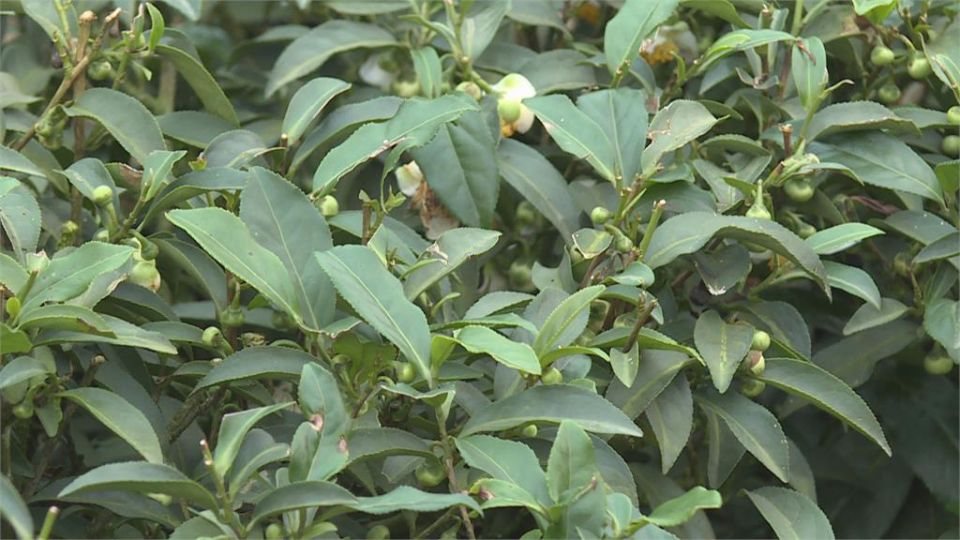
Brew a pot of good tea, smell its rich aroma, and feel it go down smoothly with a sweet aftertaste. Taiwanese people love drinking tea, and the annual output value of tea is nearly 10 billion, yet some people lose everything because of selling tea.
⟦NL>
With a smile on his face, warmly greeting visitors, he is Huang Bojun, founder of an organic tea brand. He once worked at a wild bird association. In 2012, he took on the task of guiding unemployed tea farmers in the Pinglin mountain area of New Taipei City and turning them into environmental interpreters, but by chance, this opened the door to protecting the environment.
Brand founder Huang Bojun said, "We once found that when we brought consumers up the mountain, although the farming families felt at the time that this was a very meaningful thing, once the consumers left, it seemed to have nothing to do with their lives. So we thought, could there be a way to make tea farmers' lives and production connected with conservation? Because it was a bird association, the bird tea came about."
A small number of protected Taiwan blue magpies remain in the area. They do not nibble tea leaves and will eat tea pests, so spraying pesticides causes them chronic harm. Huang Bojun then began persuading local tea farmers to use pesticide-free contract farming and to buy tea leaves at 2 to 3 times above market price. Unexpectedly, he hit walls everywhere. In 2013, only 3 tea farming households agreed to cooperate. Although he successfully got the first order, the middleman ran off, leaving him unable to answer to the tea farmers and deep in debt.
Huang Bojun said, "I was so nervous at the time that I quickly asked my senior fellow lawyer how long such litigation would take, and it would probably take 3 to 5 years. I was shocked when I heard that and felt it would not work. At that time I was doing a PhD and also studying, so I thought I would use a student startup loan and buy up those 800 jin of tea leaves with a student loan."
After Huang Bojun borrowed 2 million to buy the tea leaves, he founded a company for marketing, and to persuade more tea farmers to join, he took out loan after loan. He even could not pay his employees' salaries, and had only 30 yuan left in his own savings, but he still went up the mountain every day to visit tea farmers. The tea farmers were moved by Huang Bojun's sincerity, and now 15 tea farming households are willing to cooperate.
Tea farmer Liang Jinfu said, "They also very sincerely sought out tea farmers to make this organic tea. Of course, at the beginning, income was affected, but it may gradually begin to stabilize."
Agreeing with Huang Bojun's philosophy, Liang Jinfu, the third generation, took the tea garden his family had passed down for nearly a hundred years and gambled on him. This was because organic farming, with its higher costs, is prone to losses from pests, and organic tea is expensive, so whether it could be sold at all was a problem from the start. Fortunately, the god of luck had not forgotten Huang Bojun.
Huang Bojun said, "The whole team came back up, roughly relying on the so-called corporate contract farming just mentioned. That corporate contract farming also gradually stabilized the revenue."
Heaven rewards the diligent. At the time, Huang Bojun, who was setting up stalls everywhere to sell tea, unexpectedly received an inquiry about cooperation from a hypermarket foundation, and so came a partnership in which enterprises adopted contract farming and purchased tea leaves, successfully building recognition. To date, 25 enterprises including Hon Hai, Citibank, and TransGlobe Life have all been contract farming partners, and he has even achieved an annual revenue of 10 million.
Now, walking into the Pinglin mountain area, across the vast mountain tea gardens, you can still hear the crisp and resounding calls of blue magpies. A gentle breeze blows past, and the tea fragrance rushing to your nose is soothing. Huang Bojun vows to keep working hard, hoping to start from Pinglin and spread the spirit of sustainable management throughout Taiwan.