What are the uses and functions of tree fern? Learn it all in one article
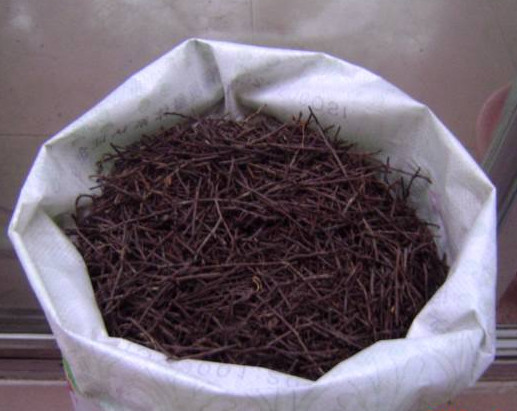
Uses and functions of tree fern: place it at the bottom of the pot for aeration and water drainage. Tree fern (belonging to the tree fern, Alsophila genus) grows in the primeval forests of our country and is a fern. It thrived during the age when dinosaurs lived. After the dinosaurs went extinct, tree ferns basically went extinct along with them. Therefore, before the 1990s, the tree fern used in our country for cultivating orchids was imported from Taiwan, China...
Tree fern (belonging to the tree fern, Alsophila genus) grows in the primeval forests of our country and is a fern. It thrived during the age when dinosaurs lived. After the dinosaurs went extinct, tree ferns basically went extinct along with them. Therefore, before the 1990s, the tree fern used in our country for cultivating orchids was imported from Taiwan, China and Japan. Since the 1990s, tree fern made from the roots of Alsophila trees has been found in the coastal areas and primeval forests of our country. After that, tree fern was produced domestically.
However, Alsophila belongs to the first-class protected plants of our country, and the "Forest Law" of our country explicitly stipulates: first-class nationally protected plants may not be cut down at will. The production of every 1 kg of tree fern requires the sacrifice of one Alsophila tree. Therefore, we advocate protecting the nation's environment and resources and as much as possible not destroying the growth of Alsophila trees, so water drainage devices are used instead of tree fern.
Tree fern uses the roots of Alsophila trees as its main raw material. After being cut down, it takes a year and a half of sun-drying, pounding, tearing apart, boiling in a pot for high-temperature sterilization, soaking, and cooling before it can be used to line pots. Simply put, the production of tree fern requires the following steps: sun-dry - pound - tear - boil - soak - line the pot; orchid seedlings cultivated with it are robust, bloom easily, have well-developed root systems, and have lush, green leaves. (Chen Yingliang)