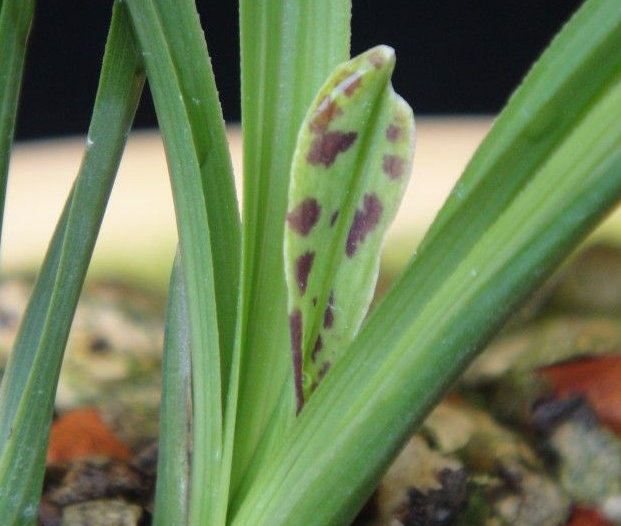
Leaf Butterfly, Butterfly Grass, Butterfly Leaf, Leaf Butterfly
Butterfly grass, also called butterfly leaf or leaf butterfly, is a variation on orchid leaves. It mostly occurs on the central leaf of the orchid plant, followed by the third and fourth leaves near the center, and whole-plant butterfly transformation is very rare. An orchid whose leaves show butterfly-like expression is called butterfly grass. This butterfly transformation is most often seen on one side edge of the leaf, followed by...
Butterfly grass, also called butterfly leaf or leaf butterfly, is a variation on orchid leaves. It mostly occurs on the central leaf of the orchid plant, followed by the third and fourth leaves near the center, and whole-plant butterfly transformation is very rare.
An orchid whose leaves show butterfly-like expression is called butterfly grass. This butterfly transformation is most often seen on one side edge of the leaf, followed by the upper part of the leaf or the leaf tip, and whole-plant butterfly transformation is uncommon.
The butterfly transformation on the grass refers to a variation in which the leaf edge, the upper part of the leaf, or the leaf tip undergoes texture emulsification and crystallization, accompanied by colored patches and dots. The common colors are purplish brown, red, purplish red, and so on, and these color patches and dots are basically consistent with the hues of the flower petals. Emulsification and crystallization appearing on the leaf edge, the upper part of the leaf, or the leaf tip are also the fundamental difference between butterfly grass and other variant orchids.
Leaf butterfly occurs because leaf and flower genes are homologous. The flower is the advanced expression form of the leaf. During the flower bud gestation period, due to the relationship between temperature and humidity, the flower bud may very likely become a leaf bud. This alternating change causes some special things from the flower to appear on the leaves, forming a tongue-like appearance, so people often call it grass with leaf butterfly. Common leaf butterfly often appears on strong new growths, and the most obvious sites of expression are the upper part of the leaf and the leaf edge. The cells and tissues of the tongue petal and the cells and tissues of the leaf blade organically fuse and blend into one, and the boundary between transparency and opacity is not very obvious, that is, a white, milky white, or slightly yellow semi-transparent texture appears. Strong tongue transformation (leaf butterfly), besides having the characteristics of tongue petal texture, often also carries patches of various colors on the leaves. The most common are red, purplish red, purplish brown, and even black and other colored spots and patches, and these color patches and dots are basically consistent with the colors of the patches on the flower's tongue petal. More importantly, these colored patches are generally transparent on only one side. Leaf butterfly, namely the leaf variation and flower phenomenon in Chinese orchids in which the leaf blade becomes flower-tongue-like and is as colorful as butterfly wings.