A Detailed Guide to Paphiopedilum (Slipper Orchid) Cultivation and Care in Autumn
Paphiopedilum, also known as the slipper orchid, is a perennial herb of the Orchidaceae family. Most are terrestrial species, and there are many hybrid varieties. It is one of the most widely cultivated tropical orchids. It is a member of the tropical orchid family, but there are also many varieties native to China. Common varieties include Paphiopedilum appletonianum, Paphiopedilum armeniacum, Paphiopedilum concolor, Paphiopedilum godefroyae, Paphiopedilum micranthum, Paphiopedilum insigne, Paphiopedilum hirsutissimum, Paphiopedilum parishii, Paphiopedilum malipoense, Paphiopedilum niveum, and the hybrid Paphiopedilum Jack Tonkin, among others.
The greatest convenience of growing Paphiopedilum at home is that it has no special temperature requirements, and it can grow normally at room temperature above 5 degrees. After the hot summer heat passes, Paphiopedilum awakens from dormancy and enters its normal growth period. To make Paphiopedilum bloom as desired during its normal flowering period, autumn care is very important. Autumn is the key period for Paphiopedilum to absorb nutrients and develop flower buds. Based on years of observation, the author found that some Paphiopedilum species, such as Paphiopedilum micranthum, basically bud at the same time as autumn chrysanthemums, with flower buds visible emerging from the leaf cluster around September 20 each year. Although budding and flowering times differ among Paphiopedilum varieties, applying additional fertilizer and providing careful care in autumn is the same for all Paphiopedilum species.
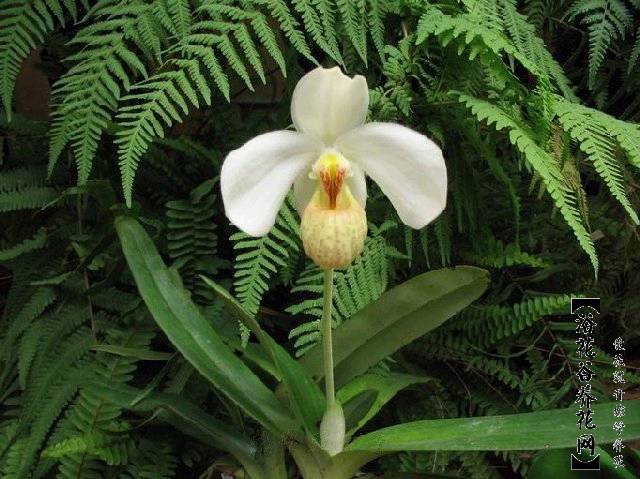
1. Before the first fertilization, use a thin wooden stick to loosen the soil in the pot slightly, but do not damage the roots.
2. Apply a liquid fertilizer with equal proportions of nitrogen, phosphorus, and potassium once a week, and it is better to apply it diluted rather than concentrated. If using granular fertilizer containing nitrogen, phosphorus, and potassium nutrients, this can be reduced to once every half month.
3. Apply foliar fertilizer to the leaves once every 10 days by spraying with monopotassium phosphate at a 0.2% ratio, and stop once the flower buds emerge from the leaf cluster.
4. Be careful to prevent waterlogging. Paphiopedilum is a shallow-rooted plant, and overly wet potting soil can easily cause root rot.
5. Grow potted Paphiopedilum in a suspended manner, which is beneficial both for air circulation in the potting soil and for the spreading of the plant's leaves.
6. When the temperature reaches around 25 degrees, the Paphiopedilum plant should be allowed to receive as much light as possible. Also rotate the pot regularly so that the entire plant can receive light; this helps all the plants in the pot develop more flower buds.
7. In late autumn, when the outdoor temperature drops below 10 degrees, potted plants should be brought indoors promptly to avoid harm to the Paphiopedilum plants caused by cold wind and frost.
Article source: http://www.yuhuagu.com