Can orchids be repotted during the sprouting period?
Orchids dislike being moved around much, and they are especially delicate during the sprouting period, so repotting and transplanting are not suitable, otherwise they can easily die.
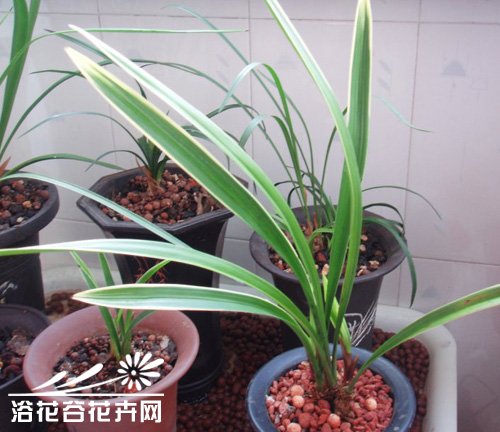
Below is some bonus reference material on repotting orchids:
Spring is the golden season for an orchid's annual growth, and it is also the key moment for repotting, dividing and sprouting. It is also the time when orchid growers assess and sum up the results of the previous year's orchid growing.
The best temperature for dividing orchids is 5-15°C. 10°C is the threshold temperature for orchid dormancy. Therefore, repotting at around 10°C has the least effect on orchids, so repotting can be done in both spring and autumn.
As the saying goes, "Repot in spring to grow foliage, repot in autumn to grow flowers; repot often to grow foliage, repot seldom to grow flowers." This is a repotting principle that orchid growers keep firmly in mind.
Generally, repotting should be done in spring and autumn; in spring, around Qingming is best, and in autumn, around the Autumn Equinox is best. Judging from how well they settle in, when orchids are repotted in autumn, they then enter their winter dormancy, so the time to re-establish is short.
When repotted in spring, orchids quickly enter a period of vigorous growth, so spring repotting is better than autumn repotting. Summer is hot and winter is cold, and both are dormant periods for orchids. Repotting in these seasons is not good for orchids to re-establish.
As for the interval between repottings, most people believe that repotting and changing the soil is not beneficial if done too often, and that once every two to three years is best. This is because orchids dislike being "moved," and repotting less often can also produce strong plants.
Repotting orchids and changing the soil is inseparably related to a person's growing habits, potting medium and care. One experienced enthusiast repots once a year in an inclined manner and replaces the medium with new material.