Detailed Guide to Vanda Orchid Cultivation Methods and Care Techniques
Vanda cultivation methods are divided into two types depending on the production purpose.
The first is the potted method: use a wooden frame (10×10cm wide, 5cm high) instead of a flower pot, fix the vanda seedling in the middle, fill with some shredded coconut husk, make a hook with thin wire and hang it on the wooden frame, allowing the root system to be completely exposed to the air.
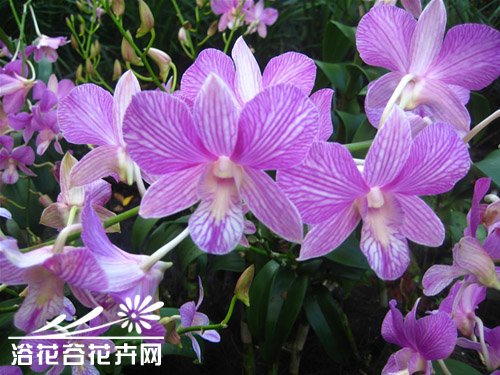
The second is the cut flower cultivation method: use square timber to build a wooden rack 60cm high, 100cm wide and any length, fix the vanda seedlings on the rack at a spacing of 20cm between plants and rows, then pile a 20—40cm thick layer of coconut husk at the base, allowing the root system to attach and grow, and serving to retain water and fertilizer.
Vanda orchids require high temperatures, high humidity and fairly strong sunlight, and are suitable for cultivation in tropical regions. In the north, they need to be grown in a high-temperature greenhouse; when the room temperature is kept above 20°C, they can be grown in wooden frames and hung in the air.
Daily Care
1. Light:
The above common varieties of vanda orchids need fairly strong light; during the local high-temperature season, only 40-50% shade netting is needed, and in winter no shading is needed at all.
2. Temperature:
The vanda orchids cultivated in Xishuangbanna all prefer high-temperature environments. The most suitable temperature is 20—30°C. Because there is no frost throughout the year locally, vanda orchids can bloom normally in any season.
3. Water and moisture:
The above two varieties of vanda orchids are both typical tropical epiphytes, and daily management must ensure sufficient water and air humidity. During the rainy season, natural conditions alone can maintain vigorous growth. During the dry season, artificial watering must be used to keep air humidity at around 80%.
4. Fertilizer: Depending on growth conditions, determine the number of fertilizer applications
Generally, apply a 0.1% compound fertilizer specially formulated for orchids once a week, spraying it on the leaves and root system. At different growth stages, use compound fertilizers with different ratios (npk).
5. Disease and pest control:
Diseases and pests mainly occur during the rainy and high-temperature season. Generally, prevention is the main approach: apply 0.2% mancozeb or carbendazim once a week. In the second week, apply 0.2% omethoate once.