What environmental conditions do orchids need when grown at home
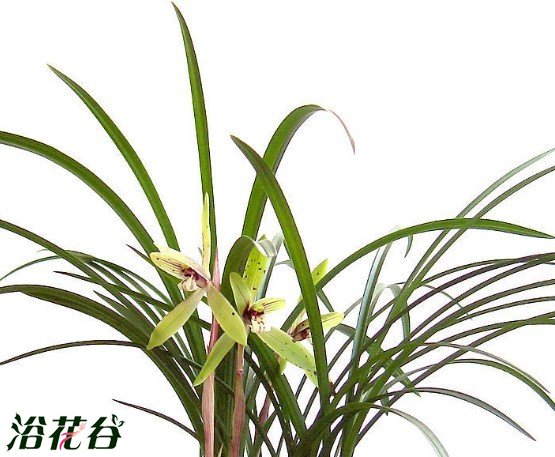
Like other plants, orchids are an extremely diverse group with different growing environments, so it is hard to find one universal cultivation method, but all of them still depend on regulating water, nutrients, temperature and light. To grow orchids well, you should pay attention to the following aspects:
Temperature
Different orchid species have different temperature requirements. Cymbidium goeringii and Cymbidium faberi have relatively strong cold tolerance, and an overwintering temperature of about 6°C is favorable for their flower bud development. If the temperature exceeds 12°C, flower buds formed in autumn can easily die below the soil surface, or the flower stalk will not elongate and flowering will be abnormal. Cymbidium ensifolium, Cymbidium sinense and Cymbidium kanran need higher temperatures in winter to overwinter safely and flower normally. Generally speaking, the lowest extreme temperature for growing orchids is 8°C, the highest extreme temperature is 35°C, and 18-30°C is the best maintenance temperature for orchids. When the temperature drops to 8°C, they should be brought indoors for the winter, and when the temperature reaches 10% in early spring, they can be moved outdoors. You should try to place your orchids in an environment with the optimal temperature.
Water
The best air humidity for growing orchids at home is 60%-70%. Water only after the substrate in the pot has dried, and water thoroughly each time. However, be careful not to let water accumulate in the flowerpot, as this can cause root rot or even death, hence the saying "dry orchids, wet chrysanthemums." When the temperature is high or the air humidity is low, you can use a small sprayer to spray the leaves and roots to achieve the purpose of cooling and increasing humidity.
Nutrients
Orchids like light fertilizer, and fertilizing must be done very carefully, striving not to damage the root system. Fertilizer that is too concentrated or too much basal fertilizer will cause the accumulation of toxic salts, damage the orchid roots and cause death. Therefore, try not to use basal fertilizer, and instead apply liquid fertilizer diluted at a higher ratio. It is best to apply light fertilizer frequently, and avoid concentrated fertilizer and applying too much fertilizer at one time. The orchid fertilizing season should start in late spring and end in late autumn, that is, it should be concentrated in the growing season. There are special compound fertilizers for orchids, which can be used after being diluted at a ratio of 1:400-500.
Light
In nature, orchids mostly grow in moist valley sparse forests, in slightly acidic soil rich in humus, and have thus formed adaptability to this environment. Therefore, orchids like semi-shade and humidity, and dislike strong light. Generally, 50%-60% shading should be provided in winter, and 70%-85% shading in summer. No shading is needed on cloudy days. Indoors, placing them in a spot with a little sunlight is enough, avoiding direct strong light.
Ventilation
In nature, orchids mostly grow in environments with air circulation, so they need loose, airy cultivation substrate and a clean environment with air circulation. To grow orchids well, attention must be paid to ventilation, including ventilation around the roots and keeping distance between orchid plants. Maintaining fresh air around the orchids is beneficial to photosynthesis and respiration. Ventilation can also regulate and lower the temperature and inhibit the breeding and spread of pests and diseases.