How to care for Cymbidium tortisepalum from August to November? A full guide to care methods
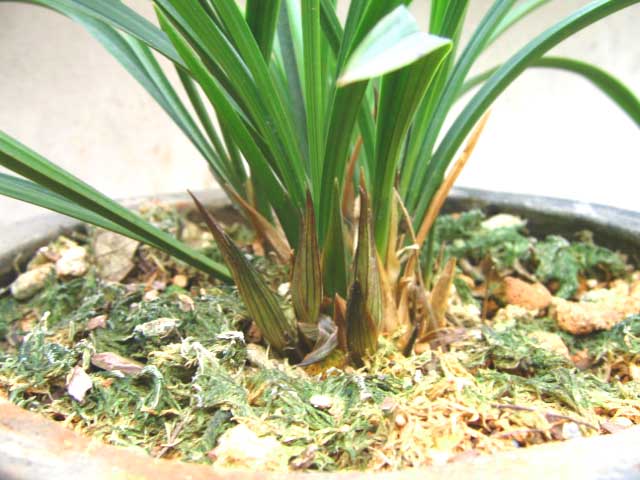
August, Beginning of Autumn and End of Heat: spring shoots have grown into plants, and autumn shoots begin to sprout. Some Cymbidium tortisepalum have started to form buds. From the beginning of autumn, pay attention to nutrient consumption in the pot and add some foliar fertilizer supplementation, for example: a 1000-fold dilution of potassium dihydrogen phosphate. After buds form, spray once at the beginning of the month and once at the end of the month for one month to help the autumn shoots and flower buds grow. When spraying, be careful not to spray onto the growing tips or flower buds. If you accidentally spray them, place the plant in a ventilated spot to dry, otherwise rot easily occurs. After going through the period of high temperature and severe heat, step up pest control and carry out a comprehensive disinfection of the orchid-growing environment.
September, White Dew and Autumn Equinox: rainfall increases and the heat rises. Pests such as scale insects and red spider mites easily spread, and high temperature with high humidity easily causes soft rot. The orchid-growing environment must be well ventilated, and orchid pots should avoid direct sun and rain, with more water sprinkled around to lower the temperature. Watch out for snails and similar pests that specifically gnaw new shoots and flower buds. If pure-color varieties are to achieve a "white as snow" effect, they can be placed in a cool place at this time for bud spacing. Protect the flower buds and do not let them soak in water droplets. If water is accidentally sprayed on them, dry them promptly. Make full preparations for fragrance release at the end of the year.
October, Cold Dew and Frost's Descent: the flower buds of Yunnan's Cymbidium goeringii and Cymbidium tortisepalum begin to grow and gradually shoot up. At this time, give the orchid plants moderate sunlight and pay attention to increasing the amount of light they receive. As the air gradually becomes dry, increase the frequency of watering according to the condition of the potting soil. This is also another repotting season of the year, when you can repot and add material, as well as divide clumps and divide seedlings.
Of course, plants with buds are not suitable for seedling division. Repotting is also recommended after flowering.
Pay attention to pest control to prevent pests from entering the plants to overwinter. For orchids grown on household balconies, pests are generally fewer, and a single spray of disinfectant can be applied to prevent disease. For natural orchid sheds, however, pests and diseases must be eliminated. Spray an appropriate amount of water around the orchids morning and evening. If you have the time and inclination, you can also use a sponge to clean the leaf surfaces and keep them fresh, green, and glossy.
November, Beginning of Winter and Minor Snow: autumn shoots continue to grow. In places where the frost period comes early, move them into an orchid room to prevent young seedlings and orchid roots from frost damage. Control watering of the potting soil, stop applying foliar fertilizer, and spray water in the morning. In places with a short frost period, let the orchids receive more sunlight to promote vigorous growth of autumn shoots and early pregnancy of spring shoots. Repotting can still be carried out in Yunnan.