The correct method for disinfecting orchids with carbendazim
Carbendazim is widely used by flower enthusiasts as a broad-spectrum fungicide, but some beginner flower enthusiasts don't know how to use it. For example, some have asked how to disinfect orchids with carbendazim, how long to soak orchid roots in carbendazim, and other questions.
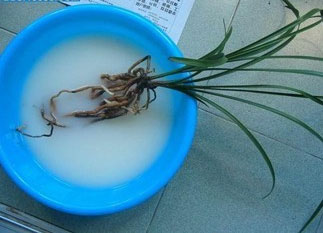
When it comes to how to use carbendazim on orchids, there are generally three methods: root drenching, root soaking, and leaf spraying. Each method is used in different situations.
Because the mixing concentration of carbendazim may differ between brands, it's worth carefully reading the instructions on the back before use. Of course, the concentration doesn't have to be exactly the same; approximate is fine.
Using carbendazim as a root drench for orchids is very simple. After confirming root rot, you can mix the carbendazim solution and pour it onto the roots just like watering. Since we're talking about root drenching, it's worth mentioning here that the effect of carbendazim root drenching is somewhat reduced. Compared with chlorothalonil, chlorothalonil is more suitable for root drenching, while carbendazim is more suitable for root soaking and spraying.
Soaking orchid roots in carbendazim is generally done for newly purchased orchids or when repotting. Soak the orchid roots in the carbendazim solution for generally 5-20 minutes, then remove and let dry.
Another situation is spraying. Use a spray bottle to spray the carbendazim solution onto the orchid leaves. After spraying, the leaves will have white marks; don't clean these off, just leave them on.