-

Reasons and Solutions for Twisted Leaves on Cymbidium sinense
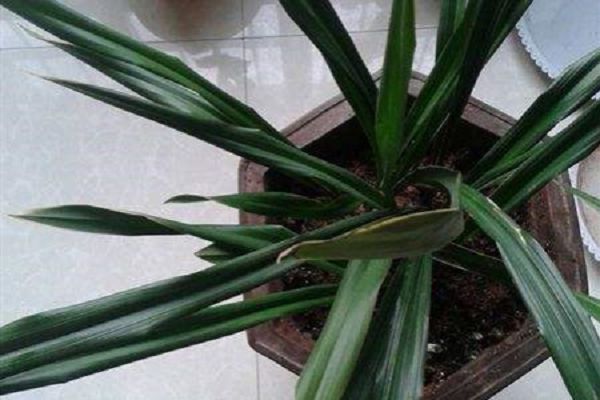
Everyone has surely seen this plant, Cymbidium sinense, but just does not know it is called Cymbidium sinense. We often see a large pot of Cymbidium sinense placed there in parks, with many leaves extending from the center outward. Its leaves are strap-shaped, one by one very long, with
-
How to Plant Small Gourd Seeds? A Detailed Guide to the Planting Method
Hand-twisted gourds are a favorite plaything for many people. As they are handled over time, the gourd's surface becomes smooth and glossy. They are also very popular because of their auspicious meaning of "fortune and prosperity" (fulu), and gourds with good shapes command high prices. Small gourds are the raw material for hand-twisted gourds.
-
-
Causes and Control Methods of Twisted Mushrooms
The main symptom of twisted mushrooms is that the stipe elongates in a spiral shape, and when broken open, the stipe changes from cylindrical to flat and strip-like; growers call them "fried dough twist mushrooms." Although they are edible, they do not meet canning standards. Twisted mushrooms usually occur only sporadically within mushroom clusters. Apart from being related to the cultivated variety, the causes include weak development of young mushrooms, overly dense mushroom clusters, insufficient growing space, and constantly changing light direction, all of which can cause excessive twisting of the stipe. The prevention method is to thin out the cultivation bags and not casually move bags (bottles) that have already produced fruiting bodies.
-

Causes and solutions for twisted leaves in Cymbidium sinense
What to do when Cymbidium sinense leaves are twisted
-

Why do pine trees grow crooked and twisted?
Did you enjoy this article? Share it right away so more people can find out! This site is full of rich and profound content. Our editors select trending news every day and update it constantly. Click "Be the first to get the latest news" to browse! Please continue...
-

A Detailed Guide to the Cultivation Methods and Precautions for the Twisted Leaf Iron Plant
The twisted leaf iron plant is also known as the spiral iron plant, willow-pattern iron plant, Philippine iron tree, curly-leaf iron plant, and twisted-pattern iron plant. It can absorb indoor harmful volatile substances such as formaldehyde, has low requirements for water and fertilizer, and generally has no pests or diseases, so it is much loved by gardening enthusiasts. Today, the editor will briefly explain the cultivation methods and precautions for the twisted leaf iron plant.
-

Bonsai Appreciation: A gnarled old trunk twisted askew for decades, armored in bark and crowned with green
Lingnan Bonsai Appreciation Lingnan Bonsai Appreciation Lingnan Bonsai Appreciation Lingnan Bonsai Appreciation Lingnan Bonsai Appreciation Lingnan Bonsai Appreciation Love this...
-

DIY Guide to Making a Vitex Twisted-Root Bonsai, with Extremely High Ornamental Value
Vitex twisted-root (Vitex negundo var. heterophylla) has characteristics such as liking sunlight but tolerating shade, liking warmth but tolerating cold, liking moisture but not tolerating waterlogging, and liking fertile soil but tolerating poor soil; it is an evergreen tree species. With its peculiar form, it can be appreciated both for its leaves and its shape, so it is an ornamental...
-

What causes a pigeon's twisted neck? Causes and solutions
Causes of twisted neck in pigeons and how to treat it
条件筛选