-

What are the symptoms of porcine reproductive and respiratory syndrome?
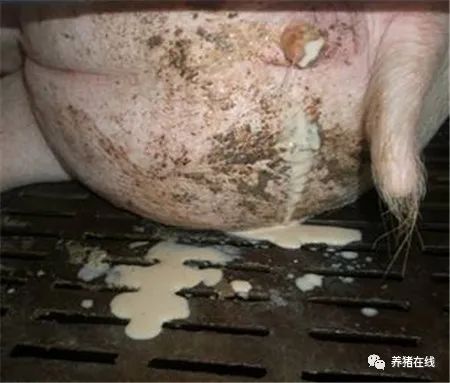
Porcine reproductive and respiratory syndrome was once called mysterious swine disease, new swine disease, etc. In China, this disease is classified as a Class II infectious disease. If this disease is not effectively controlled in the early stage, it can easily cause large-scale infection. Therefore, many farmers pay great attention to porcine reproductive and respiratory syndrome. So what are the manifestations of porcine reproductive and respiratory syndrome
-
How to effectively treat grass carp hepatobiliary syndrome
Grass carp hepatobiliary syndrome is a nutritional metabolic disorder disease occurring under high-density farming models that mainly rely on feeding pelleted compound feed, and it occurs mostly in summer. So, how to treat grass carp hepatobiliary syndrome? 1. How to treat grass carp hepatobiliary syndrome? 1. Cultivate good
-
What are the causes of soybean green-stem syndrome and its prevention methods
Soybean green-stem syndrome is a phenomenon that occurs when soybeans enter the maturity stage, and it can seriously affect soybean yield and quality. So what causes soybean green-stem syndrome? How should it be prevented? Follow the editor to learn about the causes of soybean green-stem syndrome and
-
What are the prevention and treatment methods for ovine obesity syndrome in meat sheep?
Ovine obesity syndrome in meat sheep, also known as lamb obesity syndrome, is a widespread metabolic disease of lambs. This disease mostly occurs in obese lambs aged one and a half to two months with a strong feed intake. Causes of the disease: Because lambs that have just started to eat are fed large amounts of carbohydrate-rich corn, with a single feed type, the normal metabolism of the lambs is affected, and in addition the lambs do not get sufficient exercise over a long period. This causes the lambs to become excessively obese. Especially in housed lambs, or when lambs are transferred from grazing to housing, the metabolic process of the lamb's body is disrupted; when large amounts of carbohydrate feed are ingested, they are rapidly broken down into organic acids and carbon dioxide, causing the acid concentration in the blood to rise, which acts on the central nervous system and causes severe functional disturbance of the central nervous system. The affected lambs show a series of poisoning symptoms such as excitement and inhibition, and finally die from respiratory and cardiac motor center paralysis due to oxygen deficiency.</p><p>Main symptoms</p><p>Sudden onset; the affected lamb discharges foamy saliva from the corners of the mouth, has rapid breathing, cyanotic conjunctiva, accelerated heartbeat, and a slightly elevated body temperature; in the later stage neurological symptoms appear, with restlessness while standing, sometimes bleating, jumping and dashing forward, and sometimes abdominal pain symptoms. The course of the disease is acute; the most acute cases die in about 10 to 20 minutes, while slower cases die within one hour.</p><p>Treatment</p><p>This disease has a sudden onset and rapid death, so timely treatment is needed. The treatment methods are:</p><p>1. Use 0.1% cardiotonic sodium injection, administered subcutaneously or intramuscularly; inject 2 to 3 milliliters subcutaneously according to the lamb's body weight.</p><p>2. Intravenous injection of 300 to 500 milliliters of 5% glucose saline or 0.9% physiological saline.</p><p>3. Intravenous injection of 20 to 30 milliliters of 5% sodium bicarbonate.</p><p>4. Subcutaneous multi-point injection of 200 to 300 milliliters of 0.9% physiological saline or sugar saline.</p><p>Preventive measures</p><p>1. The concentrate fed to lambs should be diversified, and a single feed variety must be strictly avoided. In particular, feed rich in carbohydrates such as corn must be strictly controlled in amount; the mixed daily ration for lambs should be fed at fixed times and in fixed amounts, divided into multiple feedings, and hay and succulent drinks should also be provided. Provide salt free-choice, supplement trace elements and multiple vitamins, ensure the lambs have sufficient drinking water, strengthen exercise, and increase sunlight exposure time.</p><p>2. Strengthen the exercise of lambs during the suckling period. For lambs more than half a month old, exercise outside the shed should be carried out in clear and windless weather. The best exercise time is noon, and the exercise time should be gradually extended. Through exercise training, digestion and metabolism can be promoted, the lambs' physique can be strengthened, and the occurrence of this disease can be strictly prevented.</p>
-
Prevention and Control Measures for White Spot Syndrome in Whiteleg Shrimp Farming
1. Main symptoms. Sick shrimp lose appetite, reduce or stop feeding, have empty stomachs, move sluggishly, jump weakly, lie still or swim abnormally; in the late stage of the disease, white spots appear on the subcutaneous shell and appendages of the shrimp body, softening of the shell is also common, and the carapace is easily peeled off
-
Control Methods for Taura Syndrome in Whiteleg Shrimp
Taura syndrome is caused by infection with Taura syndrome virus, also known as red body disease (typically, viral infection causes the body to turn red while the appendages do not; bacterial infection causes the appendages to turn red while the body does not; when both the body and appendages turn red, it may be a mixed infection). Sick shrimp stop feeding and swim slowly at the water surface
-
Methods for the Prevention and Treatment of Hepatobiliary Syndrome in Black Carp Aquaculture
Black carp is one of the four major Chinese carps and a traditional aquaculture fish in our country. Because of its fast growth rate, low feed conversion ratio, tender flesh and delicious taste, it has long been favored by people. In recent years, the farming volume of black carp in Sichuan has gradually increased, but
-
Eel Summer Syndrome Causes Severe Mortality, Farmers Need to Take Preventive Measures
Since the beginning of summer, eel ponds across Fujian Province have successively experienced comprehensive diseases such as eel slime loss and septicemia, causing severe eel mortality. Based on some cases we handled on-site in southern Fujian, the following prevention and treatment methods are hereby proposed for the reference of eel farmers.
-
Prevention and Control Methods and Technical Key Points for Eel Summer Syndrome
Eel, pinyin: pinyin: mn Alias: white eel, white eel, river eel, Japanese eel, green eel, wind eel, Japanese eel. Eel refers to the general name of species under the order Anguilliformes. Also called eel, it is a fish that looks like a long snake and has the basic characteristics of fish.
-
条件筛选