-

A Detailed Guide to the Key Cultivation Techniques for Single-Stem Chrysanthemums
The single-stem chrysanthemum is a kind of chrysanthemum with large, gorgeous blooms and unique ornamental value, and many people grow it, so what exactly are the cultivation techniques for single-stem chrysanthemums? Let's take a look! 1. What is a single-stem chrysanthemum? A single-stem chrysanthemum refers to an ordinary chrysanthemum that, during the cultivation process, is not
-
Detailed Explanation of Key Cultivation Techniques for Single-Stem Wheat After Cotton Stubble
With the adjustment of the planting industry structure, the area of wheat-cotton double cropping has developed rapidly across various regions, achieving both expansion and increase in grain and cotton production. However, some problems have also been exposed, namely that the suitable sowing period for wheat coincides with the cotton harvesting period. Using conventional sowing methods has brought many adverse effects on wheat growth and development, such as small seedlings, weak seedlings, susceptibility to freezing, poor root development, fewer productive ears, and low and unstable yields. If timely stubble clearing is adopted and the single-stem wheat cultivation method is applied around Frost's Descent, this contradiction can be well resolved. The main cultivation techniques are as follows: 1. Timely pulling of cotton stalks and timely stubble clearing
-
Detailed Explanation of the Cultivation Methods and Technical Key Points for Single-Stem Chrysanthemums
Golden autumn is the season for admiring chrysanthemums, and among ornamental chrysanthemums, single-stem chrysanthemums are the finest. To cultivate single-stem chrysanthemums, the following steps must be done well: Select a plant with excellent flower shape, flower color, and plant form, as well as a vigorous plant that has already flowered, as the mother plant, and strengthen the care of the old roots. To ensure the health of the next generation of cuttings, spray 500-800 times diluted chlorothalonil or carbendazim once every 2 weeks before harvesting cuttings. Take vigorous young shoots from the second or third generation as cuttings. Cuttings are best taken from late May to mid-to-late June. Choose a seedling pot or an eggshell clay pot as the
-
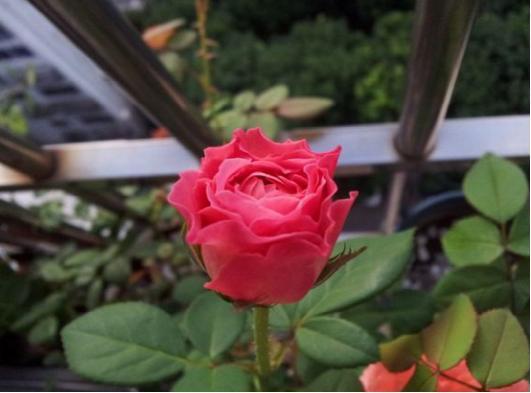
How do you train a single-stem rose into a multi-branched, well-rounded plant? Here are the tricks
Actually, getting a rose to branch continuously is not just about achieving a perfect plant shape; there is another unexpected benefit: continuous branching can make the plant bloom all over the pot. There is a principle behind this. Flowers generally bloom on newly grown branches, so...
条件筛选