-

How do you grow roots and divide a Phalaenopsis orchid after it produces a side shoot?
A perfectly healthy Phalaenopsis orchid suddenly sprouts a little shoot from its side. It looks quite cute, but you are not sure what to do with it. In fact, if handled well, this side shoot can become a new plant. Today let us talk about growing roots on side shoots and dividing them. How do you grow roots on a side shoot? Do not rush to touch a side shoot that has just emerged; first let it grow strong on its own. At this point
-

Reasons Why Phalaenopsis Produces No New Roots and How to Fix It
Phalaenopsis, an orchid native to the tropics. However, sometimes we encounter the problem of a Phalaenopsis producing no new roots, which not only affects the health of the plant but may also lead to weak subsequent growth, difficulty blooming, gradual decline, and even death. Understanding the reasons behind this and taking effective measures is the key to saving the Phalaenopsis. Phalaenopsis
-

What should you do if a Phalaenopsis orchid produces no flower buds or its buds wither after you stop fertilizing?
It is well known that in the world of flowers, the one most loved by flower growers is the aristocrat among flowers - the Phalaenopsis orchid. The reason is that it has unique butterfly-shaped flowers that captivate people whether viewed from afar or up close. However, growing a Phalaenopsis orchid well is not as simple as one might imagine; the hardest part is not knowing how to feed it properly, nor
-
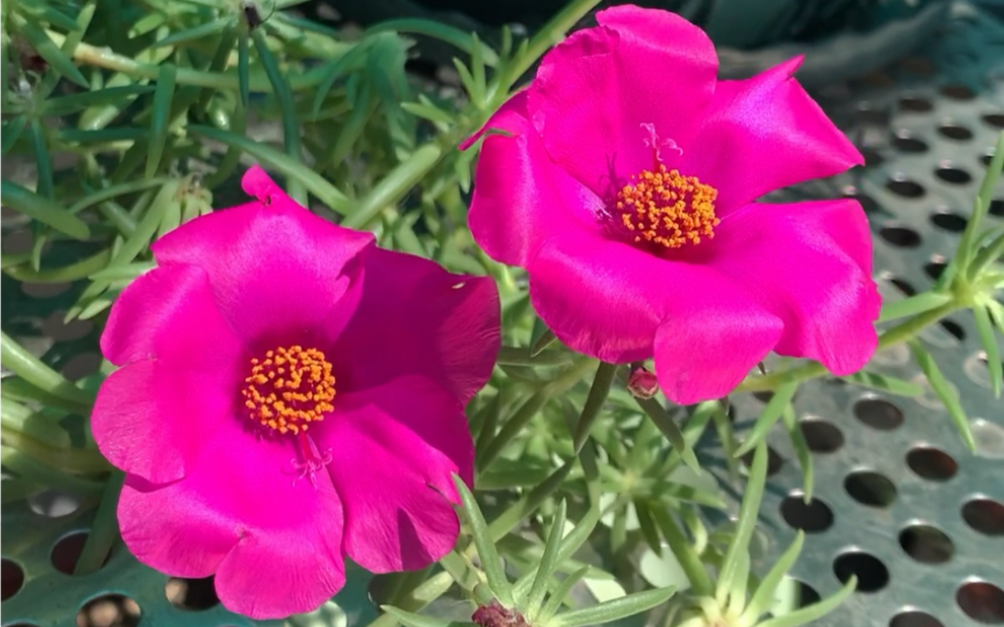
Which type of sunflower, the double-petaled or the single-petaled, produces more flowers?
The double-petaled sunflower and the common sunflower are two common types. However, there are some significant differences between them. In terms of
-

Is Bleeding Heart Vine Toxic? Can the Fruit It Produces Be Eaten?
Bleeding heart vine (Clerodendrum thomsoniae), a plant whose very name sounds full of mystery and legend, is also known as pearl pagoda, qilin spitting pearls, guilan, pearl treasure grass, pearl pagoda, dragon pearl grass, striped trumpet flower, dwarf trumpet flower, and more. It is native to tropical West Africa. It is an evergreen, weak, climbing herbaceous plant, with four-angled stems, many fine and soft branches, and opposite leaves that are oblong, with acuminate tips, nearly rounded bases, entire margins, papery texture, dark green upper surfaces, light green undersides, and inconspicuous glandular dots.
-

Where are pomelos grown? Which region produces the best-tasting pomelos?
In autumn and winter, pomelos become a seasonal fruit. They are not only juicy and nutritious but also highly valued for their medicinal properties, which is why many people like them and buy them. Some people have eaten pomelos for many years yet still do not know where pomelos are grown. Below, let's talk about pomelos.
-
Which province in China produces durian? Plus an introduction to common varieties
Durian has been favored by more and more consumers over the years. Although it is expensive, there are still many people willing to buy it. There are also quite a few durian varieties available on the market, but most durian is imported. Domestic durian also exists, but not much.
-
A Detailed Guide to Yam Producing Areas and Cultivated Varieties in Baoding, Hebei
Yam, as a medicinal and edible traditional Chinese medicinal herb, has the effects of tonifying qi and nourishing yin, supplementing the spleen, lungs and kidneys, and securing essence and stopping vaginal discharge. Influenced by factors such as regional climate characteristics, geological features and growth habits, yam has different producing-area characteristics. At present, Guangxi, Hebei
-
Where does Sweet King watermelon come from? Which place produces the best?
Speaking of summer fruits, watermelon naturally ranks at the top, refreshing and juicy, cooling and heat-relieving, and the price is also very affordable, so it can be said to be greatly welcomed by consumers. At present, there are many watermelon varieties on the market, and Sweet King is one of the more popular varieties in recent years. Like its
-
How sea cucumber (Apostichopus japonicus) reproduces and how it differs from other sea cucumbers
Apostichopus japonicus grows in deep-sea areas free of pollution. Because of natural environmental factors and the influence of tides, its harvest is seasonal to a certain extent, and sea cucumbers that have not grown for enough years are generally not harvested. This is also why Apostichopus japonicus has thick, plump flesh, a good chewy texture,
条件筛选