-

Is Nandina (heavenly bamboo) toxic, and is it suitable for growing indoors?
Nandina (Nandina domestica), also known as Heavenly Bamboo or Orchid Bamboo, contains a variety of alkaloids throughout the whole plant, such as nantenine, berberine, isocorydine, protopine and others. Therefore, Nandina is somewhat toxic, and its berries are especially toxic. Eating Nandina indiscriminately may lead to poisoning symptoms such as nausea, vomiting, convulsions of the whole body, spasms and coma.
-
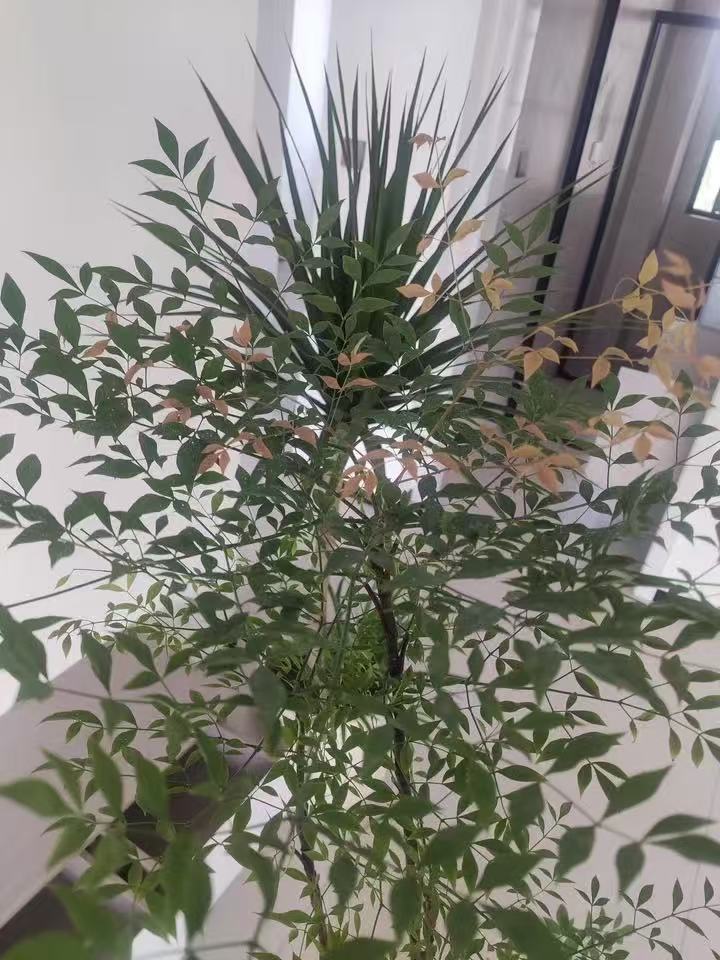
Is Nandina domestica toxic?
Nandina domestica, also known as Tianzhu and Lanzhu, contains various alkaloids throughout its entire plant, such as domesticine, berberine, isocorydine,
-

How toxic is heavenly bamboo (Nandina domestica), and why do its leaves not turn red
Heavenly bamboo (Nandina domestica) is an evergreen shrub whose leaves change from green to red under the different climates of the four seasons, and it is loved for this unique charm. However, some friends say that the heavenly bamboo they bought does not turn red in autumn and winter - why? In fact, the color change of heavenly bamboo leaves is caused by many factors, and it may be
-

Is Nandina easy to grow? Propagation and cultivation methods for Nandina
Known as an indoor mini-forest, "Nandina" (Nandina domestica) is deeply loved by the new generation. It is a plant with relatively strong vitality, bearing vermilion berries with a lacquer-like texture, round and plump, full of Oriental charm. Its leaves are also very distinctive: when the temperature drops they turn red, and then after sufficient sunlight they slowly turn
-

Nandina Cultivation Methods and Care Tips
Transplant Nandina when the buds break in February to March, repot once every 2-3 years, and add fertilized potting soil. During the growing season, water with cake fertilizer solution once every half month; during the rainy season, apply rotted cake fertilizer or manure blocks. Follow the principle of watering by watching for dry and wet: do not water when not dry, and water thoroughly when watering. Every year in April
-
Nandina Cultivation Methods and Detailed Daily Care Tips
Nandina is also called red gouzi, and many friends like to grow it in their courtyards. So are you clear about the cultivation methods of nandina? Let's take a look! Cultivation methods of nandina. 1. Soil: It is usually best to give it fertile soil; sandy soil such as river sand with good drainage is very good for growing it, as this is more beneficial to its growth.
-
How to make and care for a Nandina bonsai? A detailed guide to the latest methods
Nandina is a common woody flowering plant species in southern China, also known as Nantianzhu, Hongpazi, Tianzhuzi, Honggouzi, etc. It is an evergreen small shrub of the genus Nandina in the Berberidaceae family, with strong adaptability to the environment. It often appears in landscape applications and is also often used to make bonsai or
-
How to Grow Nandina? A Detailed Guide to the Latest Cultivation Methods
Nandina is a common woody flowering plant species in southern China, also known as red loquat fruit, sky candle fruit, red wolfberry, diamond yellow, heavenly bamboo, orchid bamboo, etc. It is an evergreen small shrub of the genus Nandina in the Berberidaceae family. Because of its graceful plant form, bright fruits, and strong adaptability to the environment, it often
-
Detailed Guide to the Cultivation Methods and Precautions for Nandina
Nandina, also known as Nantianzhu and Tianzhuzi, is a flowering plant that thrives in the south. Because of its elegant plant shape, bright berries, and strong adaptability to the environment, it is often used in gardens. However, in actual care, some problems are often encountered, such as slow growth
-
Can Nandina be kept alive in the North, Sapling Prices, Planting Methods and Its Effects and Functions
Nandina is also known as Nantianzhu, Hongpazi, Tianzhuzi, Honggouzi, Zuanshihuang, Tianzhu and Lanzhu. Because of its superior and elegant form, it is also often used to make bonsai or potted plants to decorate windowsills, entrance halls, venues and so on. So can Nandina be kept alive in the North? Sapling prices
条件筛选