-

Construction Plan for the FMD and Highly Pathogenic Avian Influenza Immune Disease-Free Zone in Heilongjiang Province
To implement the "Guiding Opinions of the CPC Heilongjiang Provincial Committee and the Heilongjiang Provincial People's Government on Cultivating the Livestock Industry into a Strategic Industry for Revitalization and Development" (Heifa [2016] No. 25) and the "Opinions of the Heilongjiang Provincial People's Government on Accelerating the Development of Modern Animal Husbandry
-
How to prevent avian influenza virus? Food safety measures must be kept in mind
Avian influenza virus belongs to the influenza A virus group. According to differences in the pathogenicity of avian influenza viruses to chickens and turkeys, they are divided into three levels: high, moderate, and low non-pathogenicity. What are the food safety preventive measures for avian influenza virus? 1. Virus characteristics Influenza A
-
What diseases are geese prone to? Prevention and treatment techniques for goose influenza
Geese are a relatively easy poultry to raise. Because they are mostly kept in free-range mode, they are very prone to infectious diseases. In addition, goose raisers do not pay much attention to hygiene, so some illnesses also easily occur. So what diseases are geese prone to when raised? Attached: prevention and treatment of goose influenza
-
What are the symptoms of influenza in meat donkeys during winter and spring, and what should be done?
Meat donkey farming has become a relatively popular breeding project, because the current demand for meat donkeys is very large, and the current farming scale is not large, so it has stimulated many novice farmers to enter. This industry looks simple, but once cared for improperly, diseases can occur.
-
H5N6 Avian Influenza Outbreak in Sichuan: The Key to Farmers' Response Lies in These 4 Points
On February 9, the Information Office of the Ministry of Agriculture and Rural Affairs announced that an outbreak of highly pathogenic H5N6 subtype avian influenza in poultry had occurred in Xichong County, Nanchong City, Sichuan Province, leaving many farmers deeply worried. So how should farmers respond to avian influenza? Doing these 4 things well is crucial! Farmers
-
How to prevent and control avian influenza in Silkie chicken farming
(1) Pathogen: type A influenza virus. (2) Epidemiological characteristics: Silkie chickens are susceptible, geese can also be infected and develop the disease, and ducks may be the main host of influenza virus. The mortality rate varies with different virus strains, and highly pathogenic strains have a high mortality rate. In some chicken farms, the mortality rate is 10%-40%. Most laying hen flocks only show a decline in egg production, with a mortality rate not exceeding 2%. Growing flocks have a higher mortality rate than laying hens.
-
The Pathogenesis and Prevention and Control Methods of Wild Duck Influenza
The wild duck is a typical representative of waterfowl; the wild duck is the common name for the mallard in the Northern Hemisphere. The wild duck belongs to the class Aves, order Anseriformes, family Anatidae; its numbers are very large, and it is a general name for many kinds of wild ducks, with more than ten species. It is not afraid of heat or cold, and at -25 to 40°C
-
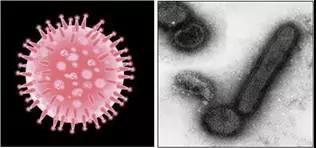
How to prevent and control swine influenza in piglets? Large temperature differences in autumn require early prevention
With large temperature differences in autumn, how should piglets be protected against influenza virus?
-
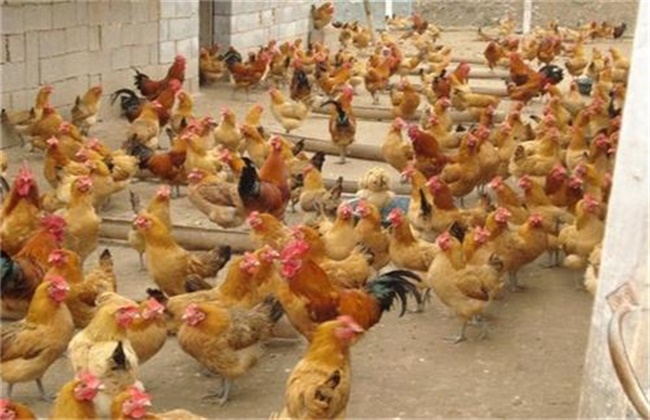
How to scientifically prevent and control avian influenza when raising chickens in summer
How to prevent and control avian influenza when raising chickens in summer
-
条件筛选