-

Causes of and Solutions for Hollow and Rotten Roots in Phalaenopsis After Changing Sphagnum Moss
With its unique aerial root structure and dependence on sphagnum moss as a substrate, the Phalaenopsis has become a plant that many gardening enthusiasts both love and "fear." When we change the sphagnum moss for a Phalaenopsis, we may find that hollow roots and rotten roots appear. This not only affects the plant's growth but, in severe cases, can lead to the death of the entire plant. Hollow roots in Phalaenopsis after changing sphagnum moss
-
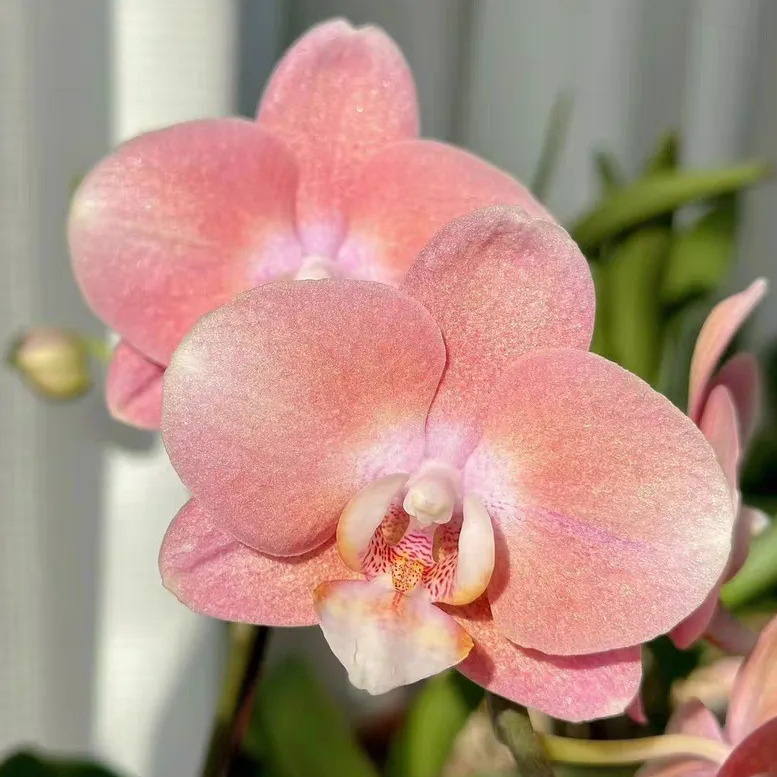
What's the matter with the hollow roots of Phalaenopsis orchids?
When cultivating Phalaenopsis orchids, the most dreaded situation is encountering hollow roots! You look at a seemingly healthy orchid, and when you check its
-

Causes of and Solutions for Hollow Roots in Phalaenopsis (Moth Orchids)
The worst thing when growing Phalaenopsis is discovering hollow roots! A perfectly healthy orchid, and when you pull it open to take a look, the roots are all hollow - what a heartbreak. In fact, hollow roots are always the result of care details that were not done properly. Below is a summary of several common causes. 1. Watering - watering is absolutely the "number one killer" behind hollow roots in Phalaenopsis! Water too frequently, and the medium stays constantly soggy,
-

How long can a Phalaenopsis (moth orchid) go without water before its roots become hollow or it even dies of drought?
Phalaenopsis (moth orchid), as a beautiful ornamental flower, has specific requirements for its growing environment. During care, everyone wonders whether Phalaenopsis is drought-tolerant, and how long a drought will cause its roots to become hollow. Phalaenopsis is not drought-tolerant. Although a short period without water will not cause fatal damage, a prolonged drought will cause the moth orchid to
-

-
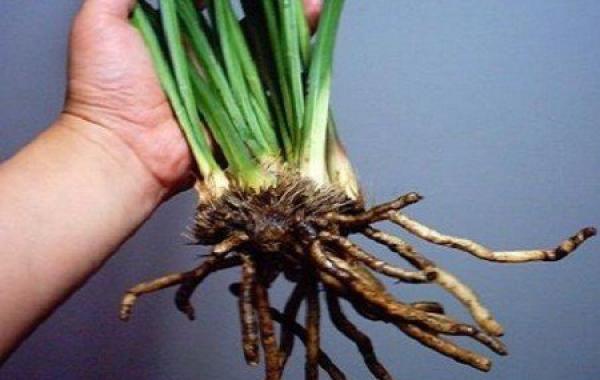
Can orchids still survive after their roots dry out and become hollow?
Can orchids still live after their roots dry out and become hollow?
-

What is the latest cause of hollow celery?
Celery is a very common vegetable in daily life and has high nutritional value. Hollow celery is a common symptom; once celery becomes hollow, its fiber content increases, greatly reducing its taste. For vegetable farmers, hollow celery leads to poorer quality and reduced yield
-
What causes hollow tomatoes? How to prevent and treat it
Tomatoes are a water-rich vegetable with a sweet and sour taste. They are very useful, as they can replenish the body's water and strengthen resistance. They are also highly valuable, being edible and usable as feed, etc. Many farmers often find hollow tomatoes during the growing process.
-
Causes of Hollow Broccoli and the Latest Prevention and Control Measures
Hollow broccoli refers to a hollow cavity inside the main stem of broccoli without any rotting. This is a common physiological disorder in broccoli cultivation, mainly occurring at the curd maturity stage. At first, several small gaps form inside the main stem, and as the plant grows and matures, these
-
What Causes Hollow Radishes? A Detailed Guide to Prevention and Control
Radish is a common vegetable, but during the growing process what troubles vegetable growers greatly is hollow radish. Hollow radishes have extremely low nutritional value and can also lead to low yields. Most importantly, they cannot be sold, resulting in a loss. So what causes hollow radishes
条件筛选